

Best Time to Visit
March to May (cherry blossoms), September to November
Currency
Japanese Yen (¥)
Language
Japanese
Timezone
JST (UTC+9)
Discover Tokyo
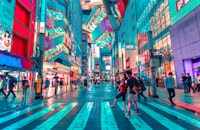
Tokyo isn't just a city; it's a living, breathing paradox where serenity and chaos exist in perfect harmony. Wander from the deafening roar of Shibuya Crossing, where thousands of pedestrians surge in orchestrated chaos, to the profound silence of Meiji Shrine's forested grounds just minutes away. This is a place where you can savor a centuries-old kaiseki meal in a wooden ryotei one moment and dine with robots in a neon-lit Shinjuku spectacle the next.
The city reveals itself in layers. Explore the narrow, lantern-lined alleys of Asakusa leading to the incense-clouded Senso-ji Temple, then ascend the Tokyo Skytree for a dizzying view of the endless urban sprawl. Tokyo's efficiency is legendary—trains arrive to the second, vending machines offer hot meals, and even the most crowded spaces operate with unspoken order. Yet beneath this polished surface lies a deep reverence for tradition, seasonal beauty, and culinary perfection that makes every visit a journey of discovery.
Why Visit Tokyo?
For Unparalleled Culinary Depth: Beyond world-class sushi at places like Sukiyabashi Jiro or Sushi Saito, Tokyo boasts more Michelin stars than any other city. Dive into steaming bowls of ramen in Shinjuku's Golden Gai, sample monjayaki in Tsukishima, or experience the theatrical precision of a tempura master in Ginza.
For the Seamless Blend of Ancient & Ultramodern: Witness the daily rituals at Senso-ji, Tokyo's oldest temple, then experience the digital art wonders of teamLab Planets. Participate in a morning sumo practice in Ryogoku and later explore the cutting-edge gadgets in Akihabara's multi-story electronics stores.
For Impeccable Urban Efficiency & Cleanliness: Experience a public transport system so reliable it apologizes for 30-second delays. Navigate the sprawling metropolis with ease using the JR Yamanote Line, marvel at spotless streets despite a lack of public bins, and discover convenience stores (konbini) that are destinations in themselves.
For Pop Culture & Subculture Epicenters: Immerse yourself in the anime and manga mecca of Akihabara, hunt for vintage fashion in Harajuku's Takeshita Street and backstreets, or sing the night away in a Shinjuku karaoke box. Witness the avant-garde fashion and youth trends born here.
For Access to World-Class Day Trips: Use Tokyo's efficient rail network to visit the Great Buddha of Kamakura, hike the sacred trails of Mount Takao, or explore the historic temples and streets of Nikko, a UNESCO World Heritage site, all within a 90-minute journey.
For the Pursuit of Omotenashi (Japanese Hospitality): Experience the profound, anticipatory service found everywhere, from luxury ryokan and department stores to humble izakayas. It’s a culture that elevates every interaction, ensuring respect and meticulous attention to detail.
Tokyo is Known For
Ready to explore Tokyo?
Tokyo Neighborhoods
Shinjuku
The ultimate expression of Tokyo's hyper-energy, Shinjuku is a district of stark contrasts. Its west side is a futuristic canyon of skyscrapers housing the Metropolitan Government Building and luxury hotels, while the east is a maze of narrow alleys packed with tiny izakayas, neon-lit Kabukicho's nightlife, and the atmospheric Omoide Yokocho (Memory Lane).
Highlights:
Best for:
Shibuya
The pulsing heart of youth culture, fashion, and constant motion. Centered around the iconic Scramble Crossing, this area is a sensory overload of giant video screens, trendy department stores, and a maze of backstreets hiding everything from secret cocktail bars to indie music venues.
Highlights:
Best for:
Asakusa
Tokyo's old downtown, retaining the atmosphere of the Edo period. The main draw is Senso-ji, the city's oldest temple, approached via the bustling Nakamise-dori shopping street. The area is dotted with traditional shops, rickshaw pullers, and views of the Tokyo Skytree across the Sumida River.
Highlights:
Best for:
Ginza
Tokyo's upscale, polished face of luxury shopping, fine dining, and art. Wide boulevards are lined with flagship stores of international luxury brands and prestigious Japanese department stores like Mitsukoshi. By day it's sophisticated; by night, its Michelin-starred restaurants and high-end cocktail bars come alive.
Highlights:
Best for:
Top Attractions
Local Tips & Insider Knowledge
- •Carry a small trash bag. Public trash cans are extremely rare. The custom is to take your trash home or dispose of it at convenience stores where you bought an item.
- •For the best sushi without breaking the bank, head to the standing sushi bars (tachigui) in Tsukiji Outer Market or the basement depachika (food halls) of major department stores like Isetan.
- •Avoid eating while walking. It's considered impolite. Instead, eat your convenience store snack or street food right where you bought it.
- •Download the Navitime or Japan Travel app for real-time train schedules, platform info, and route planning—it's more reliable than Google Maps for complex transfers.
- •When using an escalator, stand on the left and walk on the right in Tokyo (the opposite of Osaka). This unspoken rule is strictly followed.
- •Visit major attractions like teamLab Planets, Ghibli Museum, or the Shinjuku Gyoen garden right at opening time to avoid massive crowds, especially on weekends.
- •Get a Pasmo or Suica IC card from any train station vending machine. You can tap to pay for trains, subways, buses, convenience stores, and even some vending machines.
- •Many restaurants, especially smaller or popular ones, use ticket vending machines at the entrance. Look at the plastic food models outside, insert cash, press the button for your dish, and hand the ticket to staff.
- •Don't tip. Excellent service (omotenashi) is standard and included. Tipping can confuse staff. A simple "arigatou gozaimasu" (thank you) is perfect.
- •For a unique, local experience, visit a sento (public bath) or an onsen theme park like Oedo-Onsen Monogatari. Remember to wash thoroughly before entering the bath and never let your towel touch the water.
Tokyo Food Scene
Tokyo's food scene is a sacred pursuit of perfection, from multi-Michelin-starred temples of gastronomy to humble street stalls. It's a city obsessed with seasonality, technique, and the quality of ingredients, where a 100-yen conveyor belt sushi piece can be sublime and a $300 kaiseki meal can be life-changing.
Must-Try Dishes
Sushi & Seafood
- • Tsukiji Outer Market for fresh uni & otoro
- • Standing Sushi Bar in Shinjuku Station
- • Kyubey in Ginza for an upscale omakase
For high-end sushi (omakase), reservations are essential and can often only be made through your hotel concierge.
Ramen
- • Ichiran (chain) for solo-booth tonkotsu
- • Afuri in Ebisu for yuzu-shio ramen
- • Ramen Street in Tokyo Station basement
Use the ticket vending machine, customize your order (noodle firmness, richness), and slurp loudly—it's a compliment!
Izakaya (Japanese Pub)
- • Omoide Yokocho in Shinjuku
- • Nonbei Yokocho (Drunkard's Alley) near Shibuya
- • Any local spot under train tracks (yakitori alley)
Order small plates to share, try the daily specials, and don't miss the grilled offal (horumon) if you're adventurous.
Depachika (Department Store Basement)
- • Mitsukoshi Ginza
- • Isetan Shinjuku
- • Takashimaya Nihombashi
Go just before closing (around 7-8 PM) for significant discounts on exquisite bento boxes, sushi, and desserts.
Popular With
Best Time to Visit Tokyo
Spring
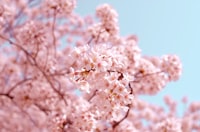
Spring is Tokyo's most famous and picturesque season, marked by the fleeting sakura (cherry blossoms) from late March to early April. Parks are packed for hanami (flower-viewing) parties, and the weather is mild and pleasant.
Pros:
- + Iconic cherry blossom views
- + Comfortable temperatures (15-20°C)
- + Many outdoor festivals and events
Cons:
- - Peak tourist season: crowded and expensive
- - Accommodation books out months in advance
- - Weather can be unpredictable
Summer
Hot, humid, and vibrant. Summer brings festivals (matsuri) with fireworks, lively street food stalls, and vibrant yukata (light kimono). It's also the rainy season (tsuyu) in June, with high humidity in July and August.
Pros:
- + Spectacular fireworks festivals (Sumidagawa, Edogawa)
- + Lively summer matsuri culture
- + Longer daylight hours
Cons:
- - Intense heat and humidity (often above 30°C)
- - Frequent afternoon thunderstorms
- - Can be uncomfortably hot for extensive sightseeing
Autumn
Arguably the best time to visit. Following summer's heat, autumn offers crisp, clear air, stunning koyo (autumn foliage) from November, and delicious seasonal foods like sanma (Pacific saury) and sweet potatoes.
Pros:
- + Beautiful fall colors, especially in gardens
- + Pleasant, mild weather (10-20°C)
- + Great for hiking day trips (e.g., Mount Takao)
Cons:
- - Can be crowded during peak foliage in November
- - Temperatures drop significantly towards December
- - Shorter days
Winter
Cold, dry, and clear, with occasional light snow that rarely sticks. Winter illuminations are spectacular, and it's the perfect season for hot pots (nabe), steaming ramen, and onsen visits. A low-season bargain outside of New Year.
Pros:
- + Stunning Christmas and winter illuminations
- + Lower hotel rates and fewer crowds
- + Ideal for hot springs and comfort food
Cons:
- - Chilly temperatures (average 2-10°C)
- - Early sunsets
- - New Year (Dec 29-Jan 3) is a major domestic travel period; many businesses close
Find cheap transport to Tokyo
Compare prices for trains, buses, and flights to Tokyo
Enter your departure city to see prices

Book Activities in Tokyo
Skip the line with pre-booked tours and attractions
Day Trips from Tokyo
Kamakura
60 min by train (JR Yokosuka Line from Tokyo Station)
A coastal town known as the former political capital of Japan, offering a relaxed atmosphere with numerous temples, shrines, and the iconic Great Buddha (Daibutsu). It's a perfect blend of history, culture, and seaside charm.
Nikko
2 hours by train (Tobu or JR lines from Asakusa/Shinjuku)
A UNESCO World Heritage site nestled in the mountains, famous for the lavishly decorated Toshogu Shrine, the final resting place of Tokugawa Ieyasu. The area boasts stunning natural beauty, including waterfalls and Lake Chuzenji.
Mount Takao
50 min by train (Keio Line from Shinjuku Station)
A popular hiking destination for Tokyoites, offering well-maintained trails through cedar forests to a mountain temple. Easily accessible, it provides a fantastic nature escape with panoramic views of Mount Fuji on clear days.
Tokyo Budget Guide
Tokyo can be surprisingly affordable for budget travelers but offers limitless luxury. Costs are high for accommodation and some dining, but efficient public transport, cheap convenience store meals, and many free attractions help balance the budget.
Budget
¥7,000-10,000 ($45-65) for hostels, convenience store meals, and train passes
per day
Mid-Range
¥15,000-25,000 ($100-165) for business hotels, mid-range restaurants, and paid attractions
per day
Luxury
¥40,000+ ($260+) for luxury hotels, fine dining omakase, and private guides
per day
Money-Saving Tips
- •Use business hotel chains like APA, Dormy Inn, or Toyoko Inn for good value
- •Lunch sets (teishoku) at restaurants are often 30-50% cheaper than dinner
- •The Tokyo Metro 24/48/72-hour passes are excellent value for tourists
- •Many museums have free or discounted admission days (often monthly)
- •Buy alcohol from supermarkets after 8 PM for discounted 'time sale' prices
Tokyo Hidden Gems
Yanaka Ginza
A nostalgic, low-rise shopping street in the Yanaka district, one of the few areas that survived the 1923 earthquake and WWII bombing.
It offers a glimpse of old Tokyo (Shitamachi) with traditional craft shops, street food stalls selling menchi-katsu, and a relaxed, local vibe far from the skyscrapers.
Kiyosumi Teien
A stunning traditional Japanese stroll garden in the Fukagawa district, built by a Mitsubishi founder in the Meiji era.
Its large central pond, perfectly placed stepping stones, and meticulously raised gravel create a scene of profound tranquility, offering a peaceful escape from the urban bustle.
Godaime Hanayama Udon
A legendary, no-frills udon shop located in a residential backstreet of Sugamo, famous for its hand-pulled, chewy noodles.
You join a queue of locals for arguably Tokyo's best udon in a truly authentic setting. The tempura toppings are also exceptional. Cash only and often sells out by early afternoon.
Institute for Nature Study
A protected, wild forest in the heart of Meguro, managed by the National Museum of Nature and Science.
It's a completely untouched, secondary forest where nature has been left to reclaim the land, offering serene walking paths and wildlife spotting minutes from bustling Shibuya.
Kagurazaka Ishikawa
A tiny, exclusive kaiseki restaurant in the Kagurazaka geisha district, holding three Michelin stars.
With only a handful of counter seats, it offers an intimate, ultra-refined dining experience focused on seasonal ingredients. Reservations are notoriously difficult but represent the pinnacle of Japanese cuisine.
Tokyo Culture & Customs
Tokyo's culture is a fascinating layering of deeply ingrained traditional values—respect, harmony, and attention to detail—within a hyper-modern context. The concept of 'omotenashi' (selfless hospitality) defines service, while the appreciation for seasonal change (kisetsukan) influences food, fashion, and festivals.
Cultural Etiquette
- •Bow slightly when greeting or thanking someone
- •Present and receive business cards (meishi) with both hands and study it respectfully
- •Remove your shoes when entering homes, traditional inns (ryokan), and some restaurants (look for a genkan entryway)
- •Avoid blowing your nose loudly in public; it's considered rude. Excuse yourself to a restroom
- •Do not point with your finger; use an open hand to gesture
Useful Phrases
Frequently Asked Questions about Tokyo
Is Tokyo safe for solo travelers?
Extremely safe. Tokyo consistently ranks as one of the safest major cities in the world. Violent crime is very rare. Solo travelers, including women, can feel comfortable walking at night and using public transport. Standard precautions with valuables still apply.
Do I need to speak Japanese to visit Tokyo?
No, but learning a few basic phrases is appreciated. In major tourist areas, train stations, and hotels, you'll find English signs and some English-speaking staff. Many restaurants have picture menus or plastic food models. Translation apps can be very helpful for more complex interactions.
What's the best way to get a SIM card or WiFi?
Renting a pocket WiFi device or buying a tourist SIM/data eSIM at the airport upon arrival is the most convenient option. Major providers include Sakura Mobile, Ninja WiFi, and Ubigi. You can also rent devices online for airport pickup. Free public WiFi is available but often requires registration.
Can I use credit cards in Tokyo?
Major hotels, department stores, and restaurants in tourist areas accept credit cards. However, many smaller restaurants, izakayas, street vendors, and temples only accept cash. It's essential to always carry some Japanese Yen (¥). 7-Eleven ATMs usually accept foreign cards.
How do I visit the Ghibli Museum?
You must purchase tickets in advance. Overseas sales begin on the 10th of each month for the following month via the Lawson Ticket website. Tickets sell out within hours, so be ready exactly when sales open. No tickets are sold at the door in Mitaka.
What should I wear in Tokyo?
Smart-casual is the norm. Japanese people tend to dress neatly. Comfortable walking shoes are essential. For temples, avoid overly revealing clothing. In summer, light, breathable clothing is key; in winter, a good coat, scarf, and layers are necessary as buildings can be warmly heated.
Is the Japan Rail (JR) Pass worth it for just Tokyo?
No, the nationwide JR Pass is only cost-effective if you are taking multiple long-distance Shinkansen trips (e.g., to Kyoto, Osaka). For travel within Tokyo, a Suica/Pasmo IC card or a Tokyo Metro subway pass is the best option.
What is the voltage and plug type?
Japan uses 100V voltage and Type A plugs (two flat pins, no grounding). The frequency is 50Hz in Eastern Japan (Tokyo). Most modern electronics (laptops, phone chargers) are dual-voltage and will work with just a plug adapter. Hairdryers and straighteners may require a voltage converter.
Tokyo Itineraries
Travel Guides

Compare with Other Cities
Plan your Tokyo adventure
Let AI create the perfect itinerary for your trip to Tokyo. Just describe what you want to experience.
Plan Tokyo trip