

Best Time to Visit
April to June, September to October
Currency
Czech Koruna (CZK)
Language
Czech
Timezone
CET (UTC+1)
Discover Prague
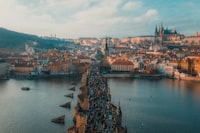
Prague feels like stepping into a fairy tale that somehow escaped the modern world. Spires pierce the sky, cobblestones wind through medieval passages, and the Charles Bridge stands sentinel over the Vltava as it has for 600 years. This is one of Europe's most perfectly preserved historic cities—a miracle considering the 20th century's turmoil.
The Czech capital enchants with its layers. Gothic towers rise beside Baroque churches; Art Nouveau facades hide Communist-era interiors; medieval astronomical clocks mark time above 21st-century cafés. Prague survived both world wars largely intact, leaving a architectural catalog that spans from Romanesque rotundas to Cubist apartments.
But Prague is no museum piece. Beyond the tourist-packed Old Town Square, neighborhoods like Vinohrady and Žižkov pulse with local life. Here you'll find authentic pubs serving world-famous Czech beer, vinyl bars that stay open until dawn, and a creative energy that has flourished since the Velvet Revolution. The magic is real—you just have to know where to look.
Why Visit Prague?
Wander through medieval streets virtually unchanged for centuries—Prague's Old Town is one of Europe's most complete Gothic-Baroque urban landscapes.
Experience the world's best beer culture: Czech pilsner was invented here, and you can drink it fresh from the tank for less than €2.
Stand on the Charles Bridge at sunrise when the crowds disappear and the statues seem to awaken in the golden light.
Discover a city that inspired Mozart, Kafka, and countless artists—the creative energy that survived Communist repression now thrives openly.
Enjoy exceptional value: Prague offers Western European charm at Central European prices, with quality far exceeding what you'd pay.
Explore one of the world's great castle complexes: Prague Castle dominates the skyline and contains palaces, churches, and gardens spanning 1,000 years.
Prague is Known For
Ready to explore Prague?
Prague Neighborhoods
Staré Město (Old Town)
The medieval heart of Prague, centered on the spectacular Old Town Square with its astronomical clock and Gothic church spires. Beautiful but touristy—visit early morning or late evening to experience the magic without the crowds.
Highlights:
Best for:
Malá Strana (Lesser Town)
Baroque Prague at its finest, tucked beneath Prague Castle on the west bank of the Vltava. Ochre-colored palaces, hidden gardens, and quiet squares reward those who stray from the main tourist route.
Highlights:
Best for:
Vinohrady
Prague's most liveable neighborhood: tree-lined streets, Art Nouveau apartments, excellent cafés, and a thriving local scene. This is where young professionals and expats live—sophisticated but unpretentious.
Highlights:
Best for:
Žižkov
Prague's gritty, bohemian quarter—a former working-class neighborhood now home to more pubs per capita than anywhere in Europe. Unpretentious, quirky, and beloved by locals and expats who find the center too polished.
Highlights:
Best for:
Top Attractions
Local Tips & Insider Knowledge
- •Never exchange money on the street or at tourist-area exchange booths—rates are often criminal. Use ATMs from major banks instead.
- •Czech beer is meant to be drunk fresh. Look for 'tankové pivo' (tank beer) signs—beer delivered directly from brewery without pasteurization.
- •The Astronomical Clock is medieval engineering marvel, but the show every hour is underwhelming. Watch once, then move on.
- •Trdelník (the spiral pastry sold everywhere) is not traditional Czech food—it's a tourist invention. Real Czech pastries are found in bakeries.
- •Tip 10% at restaurants by telling the waiter the total you want to pay ('250, please') rather than leaving cash on the table.
- •Charles Bridge has around 30 people per square meter by 10am. Visit at 6am for photos, or cross via the parallel Legion Bridge.
- •The Old Town is best experienced by getting intentionally lost in the side streets. Every alley leads somewhere interesting.
- •Czech people may seem cold initially—it's cultural, not personal. Once you break through, they're warm and incredibly helpful.
- •Public transport runs on an honor system. Tickets must be validated, and plainclothes inspectors give €40+ fines to fare-dodgers.
- •Lunch menus ('denní menu') at local restaurants offer two courses for €5-7—far better value than tourist restaurants.
Prague Food Scene
Czech cuisine is hearty, meat-heavy, and designed for long winters—dumplings, roast pork, sauerkraut, and sauces that stick to your ribs. It's not sophisticated, but it's satisfying. The real star is Czech beer: fresh pilsner served everywhere, often cheaper than water, and absolutely world-class.
Must-Try Dishes
Traditional Czech
- • Lokál (perfect Czech classics)
- • U Fleků (historic brewery)
- • Café Savoy (upscale traditional)
Order svíčková with bread dumplings to soak up the incredible sauce. It's the national dish for a reason.
Beer Halls & Pubs
- • U Zlatého Tygra (Havel's favorite)
- • Pivovarský dům (house-brewed beers)
- • Lokál Dlouhááá (tank Pilsner)
In traditional pubs, beers arrive automatically until you put a coaster on your glass. Service is brusque—that's normal.
Café Culture
- • Café Louvre (historic)
- • Kavárna Obecní Dům (Art Nouveau)
- • Café Imperial (ornate ceilings)
Prague's café tradition rivals Vienna's. Order coffee with a slice of větrník (cream puff) or věneček (eclair).
Modern Czech
- • Field (Michelin-starred)
- • Eska (modern bakery)
- • Sansho (Asian fusion)
Prague's modern dining scene is excellent and affordable by Western European standards. Book ahead for dinner.
Popular With
Best Time to Visit Prague
Spring
Prague awakens beautifully in spring—cherry blossoms in Petřín gardens, outdoor terraces reopening, and Easter markets adding charm to squares. Crowds build toward summer but haven't peaked yet.
Pros:
- + Pleasant weather (10-18°C)
- + Gardens coming alive
- + Easter markets
- + Fewer crowds than summer
Cons:
- - April can be rainy
- - Some outdoor attractions still opening
- - Accommodation prices rising
Summer
Peak tourist season with long days, outdoor festivals, and beer gardens in full swing. The city is buzzing but crowded—Old Town can feel overwhelming. Escape to parks and riverside beaches.
Pros:
- + Long days (light until 9pm)
- + Outdoor festivals and concerts
- + Beer garden season
- + Warm weather (22-28°C)
Cons:
- - Very crowded
- - Accommodation expensive
- - Hot in narrow Old Town streets
- - Tourist fatigue
Autumn
Perhaps Prague's most magical season. Golden light on Gothic spires, wine harvest festivals, and tourists thinning out. The city belongs more to locals again, and cultural season begins.
Pros:
- + Beautiful autumn light
- + Wine festivals (burčák season)
- + Fewer tourists
- + Cultural events resume
Cons:
- - Rain increasing in October
- - Days shortening
- - Some outdoor venues closing
Winter
Prague transforms into a winter wonderland—Christmas markets fill every square, snow dusts the castle, and cozy pubs become essential. Cold but undeniably atmospheric.
Pros:
- + Christmas markets (late Nov-Dec)
- + Snowy rooftop views
- + Lowest prices (Jan-Feb)
- + Cozy pub atmosphere
Cons:
- - Cold and dark (-3-3°C)
- - Short days
- - Some attractions on winter hours
- - Ice on cobblestones
Find cheap transport to Prague
Compare prices for trains, buses, and flights to Prague
Enter your departure city to see prices

Book Activities in Prague
Skip the line with pre-booked tours and attractions
Day Trips from Prague
Český Krumlov
2.5 hours by bus
A UNESCO-listed fairy-tale town with a massive castle, river bends around a medieval old town, and a charm that rivals Prague itself. Stay overnight if possible—the magic intensifies when day-trippers leave.
Kutná Hora
1 hour by train
A silver-mining town with an extraordinary bone church (ossuary) decorated with 40,000 human skeletons, plus a stunning Gothic cathedral and historic old town.
Karlštejn Castle
40 minutes by train + walk
A dramatic Gothic castle built by Emperor Charles IV to house the crown jewels. The walk from the village through vineyards is almost as rewarding as the castle itself.
Prague Budget Guide
Prague offers exceptional value—you can eat, drink, and explore world-class attractions for far less than Western Europe. Beer is famously cheap (€1.50-2.50 in pubs), and lunch menus at local restaurants cost €5-8. The main expenses are accommodation (rising with tourism) and entrance fees.
Budget
€40-60
per day
Mid-Range
€80-130
per day
Luxury
€200+
per day
Money-Saving Tips
- •The Prague Card (€71/2 days) covers major attractions and transport—worth it if you'll visit Prague Castle, Jewish Quarter, and several museums.
- •Avoid exchanging money anywhere except bank ATMs. Exchange offices, even 'official' ones, often use deceptive rates.
- •Lunch specials ('polední menu') at neighborhood restaurants offer two courses for €5-7. Ask for the menu or look for signs.
- •Beer in tourist pubs costs twice what it costs in local pubs. Walk 5 minutes from the square for better prices and atmosphere.
- •Many museums are free on the first Wednesday of the month. Plan accordingly but arrive early.
Prague Hidden Gems
Vyšehrad
An ancient fortress on a cliff above the Vltava, with a Romanesque rotunda, Gothic church, and cemetery where Dvořák and Smetana rest. Stunning views and almost no tourists.
While everyone crowds Prague Castle, Vyšehrad offers equally impressive history and better views with a fraction of the visitors. Perfect for a peaceful afternoon.
Letná Beer Garden
A sprawling beer garden in Letná Park with panoramic views across Old Town's red rooftops to Prague Castle.
Where locals actually drink in summer—cheap beer, incredible views, and a festive atmosphere without a tour group in sight.
DOX Centre for Contemporary Art
A cutting-edge contemporary art space in an industrial building, with a wooden airship on the roof housing a library and reading room.
Prague's most exciting cultural venue, completely off the typical tourist circuit. The airship alone is worth the trip.
Vítkov Hill
A monumental Communist-era memorial atop a hill, with the largest equestrian statue in Europe and panoramic views over the city.
Brutalist architecture, fascinating (dark) history, and views that rival Prague Castle—yet hardly anyone visits.
Riegrovy Sady
A hillside park in Vinohrady with a beloved beer garden, outdoor cinema in summer, and sweeping views of Prague Castle.
The beer garden here is a rite of passage for Prague locals. Bring your own food (or order from the grill), grab a beer, and watch the sunset over the spires.
Prague Culture & Customs
Czech culture values humility, dark humor, and a healthy skepticism of authority—traits sharpened by centuries of foreign rule. Don't mistake initial reserve for unfriendliness; Czechs open up once they know you. Beer is central to social life, and pubs function as living rooms where generations mix.
Cultural Etiquette
- •Always say 'Dobrý den' (good day) when entering shops or restaurants. It's expected and appreciated.
- •Czechs don't do small talk with strangers. Silence isn't awkward—it's normal.
- •When toasting, make eye contact with everyone in the group. Not doing so is bad luck (for your love life).
- •Tipping 10% is standard at restaurants. Tell the waiter the total including tip rather than leaving cash.
- •Remove shoes when entering Czech homes—hosts will offer slippers.
Useful Phrases
Frequently Asked Questions about Prague
Is Prague safe?
Very safe overall. Pickpocketing occurs in tourist hotspots—Charles Bridge, Old Town Square, and trams—so secure valuables. Taxi scams were common but ride apps have helped. Avoid unlicensed money changers. Violent crime is rare.
How many days do I need in Prague?
Three days covers the main sights comfortably—Old Town, Prague Castle, and a neighborhood or two. Four to five days allows for day trips and deeper exploration. A week lets you discover the real Prague beyond the tourist trail.
Is Prague expensive?
By Western European standards, no. By Central European standards, it's on the pricier side (especially accommodation). Beer is very cheap (€1.50-3), food is reasonable (€7-15 for meals), and attractions are affordable. Value remains excellent overall.
What's the best area to stay?
Old Town for first-time visitors (but noisy/touristy). Malá Strana for romance and castle proximity. Vinohrady for local atmosphere and great cafés. Žižkov for budget options and authentic pubs. All are well-connected by tram.
Can I pay with euros?
The Czech Republic uses Czech Koruna (CZK). Many tourist businesses accept euros but give poor exchange rates. Use ATMs from major banks (Česká spořitelna, Komerční banka) and pay in Koruna everywhere for better value.
Are the beer really that good and cheap?
Yes. Czech lager (Pilsner Urquell, Budvar, Staropramen) is world-class, and half-liters cost €1.50-2.50 in neighborhood pubs. Tank beer ('tankové pivo') is unpasteurized and even better. It's genuinely the best-value beer in Europe.
Is English widely spoken?
In tourist areas and among younger people, yes. Older generations and local neighborhoods may require pointing and gesturing. Restaurant menus usually have English translations. Learning a few Czech phrases earns genuine appreciation.
When is the best time to visit Prague?
May-June and September-October for ideal weather and manageable crowds. December for Christmas markets (crowded but magical). Summer is warm but very crowded. Winter (Jan-Feb) is cold but atmospheric and cheap.
Prague Itineraries
Travel Guides


Compare with Other Cities
Plan your Prague adventure
Let AI create the perfect itinerary for your trip to Prague. Just describe what you want to experience.
Plan Prague trip