7 days in Tokyo
Senso-ji Temple and Tokyo Skytree on day 1, Shibuya Crossing and Tsukiji Fish Market on day 2, and Meiji Shrine and Shinjuku District on day 3. The other 4 days add Shibuya, a day trip to Kamakura, a day trip to Nikko, and Ginza. Stay in Shibuya, the area closest to the plan's stops.
Costs about €1,169 for one person mid-range, or €490 on a budget. Best in May, June, or October.

Day 1: Senso-ji Temple and Tokyo Skytree
Tokyo's old downtown, retaining the atmosphere of the Edo period.
Morning
Senso-ji Temple
Rated 4.9 out of 5 from 52,227 reviewsIn Asakusa. Tours and tickets for Senso-ji Temple
To eat
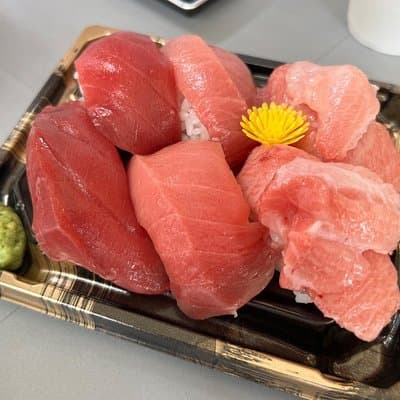
Sushi & Seafood
For high-end sushi (omakase), reservations are essential and can often only be made through your hotel concierge.
Where to go: Tsukiji Outer Market for fresh uni & otoro, Standing Sushi Bar in Shinjuku Station, Kyubey in Ginza for an upscale omakase
Afternoon
Tokyo Skytree
In Asakusa.
Evening
Yanaka Ginza
A nostalgic, low-rise shopping street in the Yanaka district, one of the few areas that survived the 1923 earthquake and WWII bombing.
Day 2: Shibuya Crossing and Tsukiji Fish Market
Morning
Shibuya Crossing
To eat
Ramen
Use the ticket vending machine, customize your order (noodle firmness, richness), and slurp loudly—it's a compliment!
Where to go: Ichiran (chain) for solo-booth tonkotsu, Afuri in Ebisu for yuzu-shio ramen, Ramen Street in Tokyo Station basement
Afternoon
Tsukiji Fish Market
Evening
Kiyosumi Teien
A stunning traditional Japanese stroll garden in the Fukagawa district, built by a Mitsubishi founder in the Meiji era.
Day 3: Meiji Shrine and Shinjuku District
Morning
Meiji Shrine
Rated 4.9 out of 5 from 44,231 reviewsTours and tickets for Meiji Shrine
To eat
Izakaya (Japanese Pub)
Order small plates to share, try the daily specials, and don't miss the grilled offal (horumon) if you're adventurous.
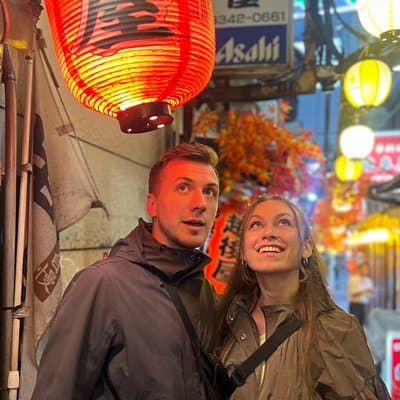
Where to go: Omoide Yokocho in Shinjuku, Nonbei Yokocho (Drunkard's Alley) near Shibuya, Any local spot under train tracks (yakitori alley)
Afternoon
Shinjuku District
The ultimate expression of Tokyo's hyper-energy, Shinjuku is a district of stark contrasts.
Evening
Godaime Hanayama Udon
A legendary, no-frills udon shop located in a residential backstreet of Sugamo, famous for its hand-pulled, chewy noodles.
Day 4: Shibuya and Institute for Nature Study
Morning
Shibuya
The pulsing heart of youth culture, fashion, and constant motion. Centered around the iconic Scramble Crossing, this area is a sensory overload of giant video screens, trendy department stores, and a maze of backstreets hiding everything from secret cocktail bars to indie music venues.
Also here: Shibuya Scramble Crossing, Hachiko Statue, Shibuya Sky observation deck, Center Gai shopping street
To eat
Depachika (Department Store Basement)
Go just before closing (around 7-8 PM) for significant discounts on exquisite bento boxes, sushi, and desserts.
Where to go: Mitsukoshi Ginza, Isetan Shinjuku, Takashimaya Nihombashi
Afternoon
Institute for Nature Study
A protected, wild forest in the heart of Meguro, managed by the National Museum of Nature and Science.
Day 5, a day trip: Kamakura
60 min by train (JR Yokosuka Line from Tokyo Station).
A coastal town known as the former political capital of Japan, offering a relaxed atmosphere with numerous temples, shrines, and the iconic Great Buddha (Daibutsu). It's a perfect blend of history, culture, and seaside charm.
Highlights: Kotoku-in Temple's Great Buddha, Hase-dera Temple with ocean views, Hokokuji Temple's bamboo grove, Komachi-dori shopping street
Day 6, a day trip: Nikko
2 hours by train (Tobu or JR lines from Asakusa/Shinjuku).
A UNESCO World Heritage site nestled in the mountains, famous for the lavishly decorated Toshogu Shrine, the final resting place of Tokugawa Ieyasu. The area boasts stunning natural beauty, including waterfalls and Lake Chuzenji.
Highlights: Toshogu Shrine's Yomeimon Gate, Kegon Waterfall, Lake Chuzenji, Shinkyo Sacred Bridge
Day 7: Ginza and Kagurazaka Ishikawa
Morning
Ginza
Tokyo's upscale, polished face of luxury shopping, fine dining, and art. Wide boulevards are lined with flagship stores of international luxury brands and prestigious Japanese department stores like Mitsukoshi. By day it's sophisticated; by night, its Michelin-starred restaurants and high-end cocktail bars come alive.
Also here: Ginza Six department store, Kabukiza Theatre for traditional Kabuki, Tsukiji Outer Market, Art galleries along Chuo-dori
Afternoon
Kagurazaka Ishikawa
A tiny, exclusive kaiseki restaurant in the Kagurazaka geisha district, holding three Michelin stars.
Before you go
From the airport
From Narita Airport (NRT): The Narita Express (N'EX) takes about 60 mins to Tokyo/Shinjuku/Shibuya for ¥3,070. The Keisei Skyliner takes 41 mins to Ueno/Nippori for ¥2,570. Cheaper options are Keisei Limited Express (¥1,030, 75 mins) or airport limousine buses. From Haneda Airport (HND): The Tokyo Monorail or Keikyu Line takes 20-30 mins to central Tokyo (Hamamatsucho/Shinagawa) for ¥500-700.
Getting around
Major districts like Shinjuku, Shibuya, Ginza, and Asakusa are very walkable within themselves, with attractions clustered together. However, distances between districts are vast, making the train network indispensable for getting around the metropolis.
Local tips
- Carry a small trash bag. Public trash cans are extremely rare. The custom is to take your trash home or dispose of it at convenience stores where you bought an item.
- For the best sushi without breaking the bank, head to the standing sushi bars (tachigui) in Tsukiji Outer Market or the basement depachika (food halls) of major department stores like Isetan.
- Avoid eating while walking. It's considered impolite. Instead, eat your convenience store snack or street food right where you bought it.