

Best Time to Visit
April to May (tulip season), June to August
Currency
Euro (€)
Language
Dutch
Timezone
CET (UTC+1)
Discover Amsterdam
Amsterdam defies expectations at every turn. This is not merely a city of canals and coffee shops, but a place where 17th-century merchant houses stand alongside cutting-edge architecture, where world-class museums share streets with quirky houseboats, and where cycling isn't recreation—it's a way of life that shapes the entire urban fabric.
The Dutch capital earned its wealth during the Golden Age, when it was the world's richest city and traders brought goods (and ideas) from every corner of the globe. That cosmopolitan spirit persists: Amsterdam remains one of Europe's most tolerant and progressive cities, where diversity is celebrated and individual freedom is fiercely protected.
But what surprises visitors most is Amsterdam's intimacy. Despite its international reputation, this is a city of neighborhoods—each with its own personality. Wander from the grand canal ring to the bohemian Jordaan, from the multicultural De Pijp to the up-and-coming Noord across the IJ, and you'll discover that Amsterdam's magic lies in its human scale.
Why Visit Amsterdam?
Explore the world's finest collection of Dutch Masters at the Rijksmuseum and Van Gogh Museum, where Rembrandt's Night Watch and Van Gogh's Sunflowers await.
Experience a city designed around bicycles and canals—where cars are an afterthought, and the best way to explore is by bike or boat.
Discover Anne Frank's hiding place and understand a chapter of history that still resonates, in one of the world's most visited house museums.
Wander through neighborhoods that feel like villages—the Jordaan's boutique-lined streets, De Pijp's market stalls, and Oud-West's local cafés.
Enjoy Europe's most liberal and tolerant city, where the philosophy of 'live and let live' creates a unique atmosphere of freedom and acceptance.
Find design inspiration everywhere—from 17th-century canal houses to contemporary Dutch architecture, Amsterdam is a living design museum.
Amsterdam is Known For
Ready to explore Amsterdam?
Amsterdam Neighborhoods
Jordaan
Once a working-class neighborhood, the Jordaan is now Amsterdam's most charming quarter. Tree-lined canals, independent boutiques, cozy brown cafés, and Saturday markets create the Amsterdam of postcards—intimate, beautiful, and endlessly wanderable.
Highlights:
Best for:
De Pijp
Amsterdam's multicultural heart, centered on the famous Albert Cuyp Market. Surinamese roti, Turkish baklavas, and Dutch cheese stalls share space with trendy brunch spots and craft beer bars. Bohemian, diverse, and always buzzing.
Highlights:
Best for:
Canal Ring (Grachtengordel)
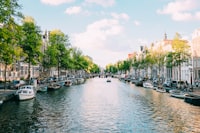
UNESCO-listed concentric canals lined with 17th-century merchant houses, their ornate gables reflected in the water. This is Golden Age Amsterdam at its finest—grand, elegant, and best explored by foot or boat.
Highlights:
Best for:
Noord
Amsterdam's creative frontier, reached by free ferry across the IJ. Former shipyards now house cultural spaces, restaurants, and Europe's best rooftop bar. Gritty, artistic, and where young Amsterdammers hang out.
Highlights:
Best for:
Top Attractions
Local Tips & Insider Knowledge
- •Rent a bike from a local shop (not the orange tourist rentals)—you'll blend in better and pay half the price. MacBike is reliable but expensive; locals use Swapfiets.
- •The I Amsterdam City Card is rarely worth it unless you'll visit 4+ museums in 2-3 days. Many included attractions are secondary.
- •The best Indonesian food is in Amsterdam—it's the legacy of Dutch colonial history. Rijsttafel (rice table) is a must-try experience.
- •Coffee shops sell cannabis; cafés sell coffee. Entering the wrong one is a classic tourist mistake.
- •Book Anne Frank House tickets exactly 2 months in advance at 10am local time—they sell out within minutes. No walk-ins are possible.
- •The Red Light District is safest in the evening when crowds are present. Don't photograph the workers—it's disrespectful and locals will call you out.
- •Avoid the tourist traps around Dam Square and Leidseplein. Walk 5 minutes in any direction for better food at lower prices.
- •Stroopwafels are best fresh and warm from Albert Cuyp Market—not the packaged ones from supermarkets.
- •Tipping isn't expected (Dutch prices include service), but rounding up or adding 5-10% for good service is appreciated.
- •King's Day (April 27) transforms the city into the world's biggest street party. Book accommodation months ahead if visiting then.
Amsterdam Food Scene
Dutch cuisine has a reputation problem—but Amsterdam's food scene is anything but boring. Colonial history brought Indonesian flavors, immigration added Surinamese and Turkish influences, and a new generation of chefs is reinventing traditional dishes. Add some of the world's best cheese, herring, and stroopwafels, and you'll eat very well.
Must-Try Dishes
Dutch Traditional
- • Café Loetje (legendary steak)
- • De Kas (farm-to-table in greenhouse)
- • Moeders (Dutch home cooking)
Traditional Dutch food is humble but hearty. Stamppot (mashed potatoes with vegetables) and erwtensoep (pea soup) are winter staples.
Indonesian
- • Tempo Doeloe (upscale rijsttafel)
- • Kantjil & de Tijger (modern Indonesian)
- • Toko Joyce (authentic takeaway)
Rijsttafel is meant for sharing—order one for the table and pace yourself through 15-25 small dishes.
Markets & Street Food
- • Albert Cuyp Market (everything)
- • Foodhallen (food hall)
- • Bram Ladage (best fries)
Dutch fries are thicker than Belgian and served with mayonnaise. 'Patatje oorlog' (war fries) comes with mayo, satay sauce, and onions.
Brown Cafés & Borrelhapjes
- • Café 't Smalle (Jordaan)
- • Café Hoppe (Spui)
- • De Druif (oldest bar)
Order bitterballen with mustard and a local beer at a brown café. This is peak Amsterdam.
Popular With
Best Time to Visit Amsterdam
Spring
Tulip season transforms Amsterdam into a flower lover's paradise. King's Day (April 27) is the city's biggest celebration, and outdoor café terraces reopen as the city shakes off winter.
Pros:
- + Tulip season at Keukenhof
- + King's Day celebrations
- + Outdoor terraces open
- + Pleasant weather (10-16°C)
Cons:
- - King's Day crowds
- - Accommodation scarce in late April
- - Still chance of rain
Summer
Long days, outdoor festivals, and the canals come alive with boats. Parks fill with picnickers, museum gardens open their doors, and the city pulses with energy until late into the evening.
Pros:
- + Long days (light until 10pm)
- + Outdoor festivals and events
- + Canal swimming at Zuiderbad
- + Terrace culture peaks
Cons:
- - Tourist crowds at museums
- - Some locals leave for vacation
- - Accommodation prices peak
Autumn
Golden leaves line the canals, museum crowds thin, and Amsterdam returns to the Amsterdammers. The cultural season begins with new exhibitions and performances. Cozy café culture peaks.
Pros:
- + Fewer tourists
- + Beautiful fall colors
- + Cultural season starts
- + Cozy 'gezellig' atmosphere
Cons:
- - Increasing rain
- - Days shortening
- - Some outdoor attractions close
Winter
Twinkling lights reflect in canals, museums are blissfully uncrowded, and gezelligheid (Dutch coziness) reaches its peak. If temperatures drop enough, canals freeze and the city ice skates.
Pros:
- + Cheapest prices
- + No queues at museums
- + Christmas markets and lights
- + Ice skating if cold enough
Cons:
- - Cold and often wet (2-7°C)
- - Very short days
- - Some canal tours suspended
- - Gray skies
Find cheap transport to Amsterdam
Compare prices for trains, buses, and flights to Amsterdam
Enter your departure city to see prices

Book Activities in Amsterdam
Skip the line with pre-booked tours and attractions
Day Trips from Amsterdam
Keukenhof & Tulip Fields
40 minutes by bus (seasonal, March-May)
The world's largest flower garden comes alive each spring with 7 million bulbs in bloom. Beyond Keukenhof, rent a bike and ride through the commercial flower fields—endless stripes of color stretching to the horizon.
Zaanse Schans
20 minutes by train to Zaandijk
A living windmill village where traditional Dutch crafts continue—watch cheese being made, clogs being carved, and mustard being ground. Touristy but genuinely atmospheric, especially early morning.
Haarlem
15 minutes by train
Amsterdam's elegant smaller sibling, with a stunning central square, world-class Frans Hals museum, and charming shopping streets. Perfect for those who find Amsterdam overwhelming.
Amsterdam Budget Guide
Amsterdam is expensive by European standards—accommodation and attractions will stretch your budget. However, the city's bike culture and picnic-friendly parks offer free entertainment, and delicious Indonesian or Surinamese meals cost half of what you'd pay at Dutch restaurants.
Budget
€70-100
per day
Mid-Range
€140-220
per day
Luxury
€350+
per day
Money-Saving Tips
- •The Museumkaart (€65) is incredible value if you'll visit 4+ museums—it covers all major museums for a year and lets you skip ticket lines.
- •Grocery stores like Albert Heijn are perfect for picnic supplies—eat lunch in Vondelpark or along a canal and save €15.
- •Skip the hop-on-hop-off buses and tourist boats—Amsterdam is tiny and best explored by bike or on foot.
- •Indonesian and Surinamese restaurants offer generous portions at half the price of Dutch restaurants.
- •The free ferry to Noord offers the same canal views as paid boat tours—plus access to bars and restaurants on the other side.
Amsterdam Hidden Gems
Begijnhof
A hidden medieval courtyard of 14th-century houses, once home to a lay Catholic sisterhood. One of Amsterdam's quietest and most atmospheric spots, accessed through an unmarked door.
Yards from the tourist chaos of Dam Square, this peaceful enclave feels centuries removed. The oldest wooden house in Amsterdam and a hidden church add to the magic.
Hortus Botanicus
One of the world's oldest botanical gardens, founded in 1638 to grow medicinal herbs for the plague. Now a tranquil escape with ancient trees, glasshouses, and a legendary 300-year-old coffee plant.
While crowds pack Vondelpark, this intimate garden offers more botanical diversity and far fewer people. The butterfly greenhouse is enchanting.
Electric Ladyland
The world's only museum dedicated to fluorescent art, hidden in a basement. Psychedelic, eccentric, and utterly unique—the owner gives enthusiastic personal tours.
Impossible to find unless you're looking, this tiny museum is Amsterdam at its weird, wonderful best. A mind-bending 45 minutes you won't forget.
Ons' Lieve Heer op Solder (Our Lord in the Attic)
A 17th-century canal house with a full Catholic church hidden in the attic—built when Catholicism was banned but tolerated if practiced discreetly.
This museum captures Amsterdam's tradition of tolerance and pragmatism perfectly. The church is stunning, and the house interiors offer a glimpse of Golden Age life.
Brouwerij 't IJ
A craft brewery housed at the base of a windmill, with outdoor seating and excellent beers brewed on-site.
Locals' favorite drinking spot, especially on sunny afternoons. The combination of artisan beer, a working windmill, and jovial crowds is quintessentially Amsterdam.
Amsterdam Culture & Customs
Dutch culture values directness, egalitarianism, and 'normaal doen' (just being normal). Don't expect elaborate courtesy rituals—Amsterdammers say what they mean and expect you to do the same. The concept of 'gezelligheid' (coziness, conviviality) is central to social life, best experienced in brown cafés and around dinner tables.
Cultural Etiquette
- •Dutch directness isn't rudeness—it's honesty. If someone says your idea won't work, they're being helpful, not harsh.
- •Split the bill equally unless agreed otherwise. The Dutch invented 'going Dutch' for a reason.
- •Cycling rules are sacred. Stay out of bike lanes, don't walk side-by-side blocking paths, and look both ways before crossing.
- •Air kisses (three, alternating cheeks) are common among friends and acquaintances. Handshakes suffice for business.
- •Being on time is essential. Arriving late without notice is considered very rude.
Useful Phrases
Frequently Asked Questions about Amsterdam
Is Amsterdam safe?
Very safe overall. Pickpocketing occurs in tourist areas and on public transport—be vigilant around Centraal Station and the Red Light District. Bike theft is common; always double-lock rental bikes. The Red Light District is safe but stay aware at night. Drug tourism can attract sketchy characters.
How many days do I need in Amsterdam?
Three days covers the major museums and neighborhoods comfortably. Four to five days allows for day trips and deeper exploration. A week lets you experience the city at a Dutch pace—lingering in cafés, cycling to distant neighborhoods, and finding your own favorite spots.
Are coffee shops legal? What are the rules?
Cannabis is decriminalized (gedoogd) in licensed coffee shops. You must be 18+ with ID. Purchase limits apply. Smoking tobacco inside is banned, but joints are allowed. Not all areas permit public consumption—respect local rules. Never buy from street dealers.
How do I get Anne Frank House tickets?
Tickets go on sale exactly 2 months in advance at 10am CET. Set a reminder and be online at precisely that time—they sell out within minutes, especially for weekends. No walk-ins are accepted. Evening time slots are easier to get.
Is the Red Light District worth visiting?
As a cultural experience, yes—it's fascinating to see legal, regulated sex work. Visit in the evening for atmosphere but avoid peak party hours. Never photograph the workers. The area also has excellent restaurants and the beautiful Oude Kerk (Old Church).
Do I need to speak Dutch?
No—English proficiency in the Netherlands is among the world's highest. Nearly everyone speaks excellent English. However, attempting 'dank je wel' (thank you) earns smiles. Dutch people appreciate the effort even though they'll likely respond in English.
Is Amsterdam flat enough for inexperienced cyclists?
Perfectly flat—the terrain is not the challenge. Traffic rules, confident locals, and busy bike paths are. If you haven't cycled in urban traffic, start in Vondelpark to get comfortable before venturing into the center. Always use hand signals.
When is the best time to visit?
April-May for tulips and King's Day celebrations; June-August for summer festivals and outdoor life; September-October for autumn colors and fewer crowds. Winter is cold and wet but cozy ('gezellig') with empty museums and Christmas markets.
Amsterdam Itineraries
Travel Guides



Compare with Other Cities
Plan your Amsterdam adventure
Let AI create the perfect itinerary for your trip to Amsterdam. Just describe what you want to experience.
Plan Amsterdam trip