

Best Time to Visit
April to June, September to November
Currency
Euro (€)
Language
Spanish, Catalan
Timezone
CET (UTC+1)
Discover Barcelona
Barcelona is a city that defies simple categorization. Where else can you start your morning marveling at a cathedral that's been under construction for over 140 years, spend your afternoon lounging on a Mediterranean beach, and end your evening savoring tapas in a gothic alleyway that predates Columbus's voyage to America?
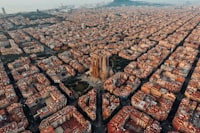
The Catalan capital pulses with creative energy that has attracted artists from Picasso to contemporary street artists who transform the city's walls into open-air galleries. Every neighborhood tells a different story—from the labyrinthine medieval streets of the Barri Gòtic to the modernist fantasies of the Eixample, where Gaudí's impossible buildings seem to breathe and move in the sunlight.
What sets Barcelona apart is its refusal to choose between old and new, local and global, serious and playful. This is a city where centuries-old markets sit alongside Michelin-starred restaurants, where FC Barcelona matches are treated as sacred rituals, and where the simple act of an evening paseo transforms ordinary streets into vibrant social theaters.
Why Visit Barcelona?
Experience Gaudí's architectural masterpieces firsthand—photos simply cannot capture the way La Sagrada Familia's stained glass paints the interior in rainbows at different times of day.
Discover one of Europe's most vibrant food scenes, from traditional vermut bars where locals have gathered for generations to innovative restaurants pushing the boundaries of Catalan cuisine.
Enjoy a perfect Mediterranean climate that makes outdoor living possible year-round—dine al fresco in December or catch sunrise yoga on the beach in January.
Explore distinct neighborhoods each with their own personality, from the hipster haven of Gràcia to the bohemian charm of El Raval, all walkable within a compact city center.
Immerse yourself in Catalan culture, a unique identity with its own language, traditions, and fierce pride that adds depth to every museum visit and local interaction.
Take advantage of Barcelona's position as a gateway to Costa Brava beaches, Montserrat mountains, and wine country—all less than an hour from the city center.
Barcelona is Known For
Ready to explore Barcelona?
Barcelona Neighborhoods
Gothic Quarter (Barri Gòtic)
The ancient heart of Barcelona, a maze of narrow medieval streets, hidden squares, and remnants of Roman walls. By day, explore centuries-old churches and stumble upon artisan workshops; by night, the quarter transforms into a tapas-hopping paradise.
Highlights:
Best for:
El Born
Barcelona's trendiest neighborhood seamlessly blends medieval architecture with boutique shopping and a thriving cocktail bar scene. The stunning Santa Maria del Mar basilica anchors this area that's become the city's creative heartbeat.
Highlights:
Best for:
Gràcia
A former independent village absorbed by Barcelona, Gràcia retains its small-town feel with tree-lined squares where locals gather for coffee and conversation. This is where you'll find the city's most authentic neighborhood festivals and the best vintage shops.
Highlights:
Best for:
Barceloneta
The city's traditional fishing quarter has transformed into Barcelona's beach playground while maintaining its authentic character. Narrow streets lined with laundry give way to a long sandy beach and a promenade perfect for people-watching.
Highlights:
Best for:
Top Attractions
Local Tips & Insider Knowledge
- •Never order paella for dinner—it's traditionally a lunch dish, and restaurants serving it at night are likely tourist traps. Look for rice dishes at seaside chiringuitos instead.
- •Download the T-Casual card on the TMB app for public transport—it's cheaper than buying individual tickets and works on metro, bus, and tram.
- •Many museums offer free entry on the first Sunday of the month and Thursday evenings—plan accordingly but arrive early to avoid queues.
- •For authentic vermut, skip the trendy bars and head to old-school spots like Bar Bodega Quimet in Gràcia where locals have been gathering since 1914.
- •The magic fountain light show at Montjuïc is free and spectacular—but locals know the views from the MNAC steps above are even better and less crowded.
- •Avoid Las Ramblas for anything except a quick walk-through. The pickpocket reputation is earned, and everything costs double what it should.
- •Book Sagrada Familia tickets at least 2 weeks in advance and choose an early morning slot when the eastern light floods through the stained glass.
- •The best pan con tomate is at breakfast in neighborhood bars, not at tourist restaurants. Look for places where construction workers eat.
- •Summer beach tip: head north to Bogatell or Mar Bella beaches—they're just as nice as Barceloneta but with more space and better chiringuitos.
- •Catalans take their meal times seriously. Lunch is 2-4pm, dinner starts at 9pm. Restaurants open earlier are catering to tourists.
Barcelona Food Scene
Barcelona's food scene reflects Catalonia's privileged position between Mediterranean sea and Pyrenean mountains. The result is a cuisine built on impeccable ingredients—seafood that was swimming hours ago, vegetables from nearby volcanic soil, and olive oil that locals debate like fine wine. From traditional taverns serving unchanged recipes to avant-garde kitchens that have made Barcelona a global gastronomic destination, eating here is always an event.
Must-Try Dishes
Traditional Catalan
- • Can Culleretes (oldest restaurant in Barcelona)
- • Els Quatre Gats (Picasso's old haunt)
Order the menú del día at lunch for the best value—you'll get 3 courses with wine for €12-18.
Market Food
- • Bar Pinotxo at La Boqueria
- • Els Encants flea market food stalls
Arrive at La Boqueria before 10am or after 3pm to avoid the crush and find better prices.
Seafood
- • La Mar Salada in Barceloneta
- • Can Paixano for cava and sandwiches
The best seafood restaurants don't have English menus in the window—look for handwritten daily specials in Catalan.
Modern Catalan
- • Disfrutar (3 Michelin stars)
- • Tickets (Albert Adrià's tapas wonderland)
Book these restaurants 2-3 months in advance. For last-minute options, try their bar seating or lunch services.
Popular With
Best Time to Visit Barcelona
Spring
Barcelona awakens with perfect temperatures and blooming jacaranda trees lining the streets. This is peak season for locals enjoying terraces and parks before the summer heat arrives.
Pros:
- + Ideal weather (18-22°C)
- + Fewer tourists than summer
- + Sant Jordi festival in April
Cons:
- - Some rain in March-April
- - Easter crowds
- - Prices beginning to rise
Summer
Hot, humid, and packed with tourists, but also when the city comes alive with beach culture, outdoor festivals, and late-night street life. Many locals escape to the coast.
Pros:
- + Beach season in full swing
- + Long daylight hours
- + Major festivals (Grec, Sónar)
Cons:
- - Crowds everywhere
- - Oppressive heat (30°C+)
- - Higher prices
- - Some restaurants close in August
Autumn
The sweet spot for Barcelona visits. Summer crowds disperse, temperatures become pleasant, and the cultural calendar kicks into high gear with new exhibitions and performances.
Pros:
- + Perfect weather (18-24°C)
- + Grape harvest festivals
- + La Mercè festival in September
- + Fewer tourists
Cons:
- - Occasional rain in October
- - Sea becoming too cold for swimming by November
Winter
Mild by European standards, Barcelona's winter offers a different charm—cozy vermut bars, Christmas markets, and empty museums. The city belongs to locals again.
Pros:
- + Lowest prices
- + No queues at attractions
- + Mild temperatures (10-15°C)
- + Christmas atmosphere
Cons:
- - Shorter days
- - Some beach restaurants closed
- - Occasional cold spells
Find cheap transport to Barcelona
Compare prices for trains, buses, and flights to Barcelona
Enter your departure city to see prices

Book Activities in Barcelona
Skip the line with pre-booked tours and attractions
Day Trips from Barcelona
Montserrat
1 hour by train + cable car
A sacred mountain monastery dramatically perched among serrated rock formations. Beyond the religious significance, the hiking trails offer spectacular views across Catalonia to the Pyrenees.
Costa Brava
1.5 hours by car or bus
The 'Wild Coast' lives up to its name with hidden coves, medieval fishing villages, and crystal-clear water. Tossa de Mar and Cadaqués (where Dalí lived) are standouts.
Penedès Wine Region
45 minutes by train
Catalonia's answer to Champagne country, producing 95% of Spain's cava. Small family bodegas offer tours and tastings among rolling vineyards with views to Montserrat.
Barcelona Budget Guide
Barcelona sits in the mid-range for Western European cities. While not cheap, strategic choices let you experience the city's best without breaking the bank. The biggest expenses are typically accommodation and paid attractions—both can be optimized with planning.
Budget
€60-90
per day
Mid-Range
€120-200
per day
Luxury
€350+
per day
Money-Saving Tips
- •Eat your main meal at lunch when restaurants offer menú del día—same quality food at 40% less than dinner prices.
- •Buy a T-Casual transport card (€11.35 for 10 trips) rather than individual tickets that cost €2.55 each.
- •Many museums have free hours—Picasso Museum is free Thursday evenings, MACBA free Saturdays after 4pm.
- •Skip bottled water—Barcelona's tap water is safe and restaurants must provide free tap water if asked.
- •Stay in Gràcia or Poble Sec for lower accommodation costs while remaining well-connected to the center.
Barcelona Hidden Gems
Bunkers del Carmel
Civil War anti-aircraft bunkers turned into the city's best viewpoint, popular with locals for sunset picnics.
While tourists pack Park Güell, locals come here for 360-degree views that are completely free and twice as impressive.
Sant Pau Recinte Modernista
A UNESCO-listed Art Nouveau hospital complex that rivals anything Gaudí built, yet sees a fraction of the visitors.
Domènech i Montaner's masterpiece is Barcelona's best-kept architectural secret—equally beautiful, half the crowds, and a third of the price.
Jardins de Mossèn Costa i Llobera
A cactus garden on Montjuïc's slopes with over 800 species and sweeping port views.
This quirky garden feels like stepping into the Arizona desert, with Mediterranean views as a backdrop. Free entry and almost always empty.
Passatge de Permanyer
A hidden 19th-century residential passage in the Eixample, lined with English-style townhouses and gardens.
Step off busy Carrer de Pau Claris into this secret garden street that most residents don't even know exists.
El Nacional
A former textile factory transformed into a stunning food hall with four distinct restaurants under one spectacular roof.
Unlike tourist-trap food courts, this is where stylish locals go—impeccable design, quality food, and cocktails in the hidden back bar.
Barcelona Culture & Customs
Catalonia has a distinct cultural identity with its own language, traditions, and even national dance (the sardana). Understanding this isn't just academic—it affects everything from street signs (in Catalan first) to political graffiti you'll see around town. Catalans are proud but welcoming; making even small efforts to acknowledge their culture goes a long way.
Cultural Etiquette
- •Greet shopkeepers when entering with 'Bon dia' (good day) or 'Hola'—walking in silently is considered rude.
- •Two kisses on the cheek (right first) is standard greeting for women and between men and women. Men usually shake hands.
- •Dinner before 9pm marks you as a tourist. Restaurants serving earlier are catering to visitors.
- •Don't assume everyone speaks Spanish—start with Catalan phrases or ask 'Parles castellà?' if needed.
- •Tipping isn't expected but rounding up or leaving €1-2 for good service is appreciated.
Useful Phrases
Frequently Asked Questions about Barcelona
Is Barcelona safe for tourists?
Barcelona is generally very safe, but pickpocketing is common in tourist areas, especially Las Ramblas, the metro, and beaches. Use a cross-body bag, keep phones in front pockets, and be wary of distractions. Violent crime is rare.
How many days do I need in Barcelona?
A minimum of 3 days lets you see major highlights. 5 days allows for neighborhood exploration and a day trip. A week lets you truly experience the city at a Catalan pace—lingering over meals and discovering hidden corners.
Is Barcelona expensive?
Moderately. It's cheaper than Paris or London but pricier than most Spanish cities. Budget travelers can manage on €60-90/day; comfortable mid-range travel runs €120-200/day. Eating well is surprisingly affordable if you follow local habits.
Do I need to book Sagrada Familia in advance?
Absolutely. Tickets often sell out 2+ weeks ahead, especially for tower access. Book on the official website and choose a morning slot for the best light through the stained glass windows.
What's the best neighborhood to stay in?
El Born or Gothic Quarter for atmosphere and walkability; Eixample for modernist architecture and calmer streets; Gràcia for local vibes and lower prices; Barceloneta only if beach access is priority.
Is Barcelona good for families?
Excellent. Beaches, parks, and the aquarium provide kid-friendly activities. The city is stroller-accessible (though Gothic Quarter cobblestones are challenging), and restaurants welcome children even at late dinners.
Should I learn Spanish or Catalan?
Everyone speaks Spanish, so basic Spanish phrases work perfectly. However, attempting Catalan (even just 'gràcies' for thank you) earns genuine appreciation from locals and shows cultural respect.
When are the main festivals?
La Mercè (late September) is the biggest—4 days of free concerts, human towers, and fire runs. Sant Joan (June 23) is a beach bonfire party. Sant Jordi (April 23) fills streets with books and roses. Each neighborhood also has its own festa major in summer.
Barcelona Itineraries
Travel Guides


Compare with Other Cities
Plan your Barcelona adventure
Let AI create the perfect itinerary for your trip to Barcelona. Just describe what you want to experience.
Plan Barcelona trip