

Best Time to Visit
March to May, September to November
Currency
Japanese Yen (¥)
Language
Japanese
Timezone
JST (UTC+9)
Discover Osaka
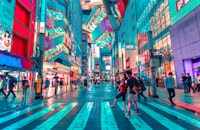
Osaka isn't just Japan's kitchen—it's the country's beating heart of unapologetic fun and flavor. Forget the reserved politeness of Tokyo; here, you'll be greeted with a booming "Mōkarimakka?" (Are you making money?), a traditional merchant's greeting that perfectly captures the city's energetic, down-to-earth spirit. Your journey begins in Dotonbori, where the neon glow of the Glico Running Man sign reflects off the canal, and the air is thick with the sizzle of takoyaki griddles and the shouts of vendors hawking their wares.
Beyond the famous food alleys, Osaka reveals its layers. Explore the imposing, samurai-era Osaka Castle, a museum-filled fortress surrounded by serene Nishinomaru Garden. Then, dive into the retro-futuristic maze of Shinsekai, a district frozen in a 1910s vision of the future, centered around the iconic Tsutenkaku Tower. This is a city built for living, not just sightseeing, where every meal is an event and every local you meet is a potential new friend ready to show you their favorite hidden izakaya.
Why Visit Osaka?
A Culinary Pilgrimage: Osaka is Japan's undisputed street food capital. Don't just eat; embark on a tasting tour through Kuromon Ichiba Market ('Osaka's Kitchen'), queue for legendary takoyaki (octopus balls) from stands like Aizuya, and master the art of cooking your own okonomiyaki (savory pancake) at a counter in Dotonbori.
Unmatched Urban Energy & Nightlife: Experience the electric buzz of Minami ('South') district. Wander the dazzling, sign-covered streets of Dotonbori at night, catch a comedy show in the traditional manzai theater district of Namba, and bar-hop through the narrow lanes of Hozenji Yokocho, a preserved alleyway with a moss-covered statue.
A Gateway to Kansai's Ancient Capitals: Osaka's central location makes it the perfect, more affordable base for exploring Japan's cultural heartland. Take a quick 30-minute train to the serene temples and geisha districts of Kyoto, or a 45-minute ride to feed the sacred deer at Nara's Todai-ji Temple, home to a colossal bronze Buddha.
Family-Friendly Thrills & Entertainment: From the cinematic wonders of Universal Studios Japan (home to the Wizarding World of Harry Potter and Super Nintendo World) to the awe-inspiring Kaiyukan Aquarium, one of the world's largest, Osaka offers world-class attractions that captivate visitors of all ages.
A More Relaxed, Approachable Japan: Osakans are famously friendly, outgoing, and direct. You'll find it easier to strike up conversations here, whether bargaining at Tenjinbashisuji Shopping Arcade or sharing a table at a bustling kushikatsu (deep-fried skewer) restaurant in Shinsekai.
Incredible Value & Shopping: Osaka offers a more budget-friendly alternative to Tokyo. Hunt for vintage treasures in America-mura (Osaka's Harajuku), find bargain electronics and kitchenware in Den Den Town, and indulge in department store food halls (depachika) like the one in Hankyu Umeda, which are attractions in themselves.
Osaka is Known For
Ready to explore Osaka?
Osaka Neighborhoods
Minami (Namba/Dotonbori)
The vibrant, neon-drenched heart of Osaka's entertainment and dining scene. This is the city's iconic postcard image come to life, a sensory overload of giant mechanical crab signs, packed pedestrian streets, and the constant hum of excitement.
Highlights:
Best for:
Kita (Umeda/Osaka Station)
Osaka's modern northern hub, a sprawling maze of skyscrapers, department stores, and underground cities centered around the colossal Osaka Station City. It's a futuristic contrast to the traditional chaos of Minami.
Highlights:
Best for:
Shinsekai & Tennoji
A wonderfully quirky and nostalgic district with a seedy, retro charm. Built in 1912 to emulate New York and Paris, it now feels like a faded vision of the future, centered around the Tsutenkaku Tower.
Highlights:
Best for:
Osaka Castle & Kyobashi
The historical and political center of the city, dominated by the majestic reconstructed castle. The area offers a mix of serene green spaces, museums, and a quieter, more residential vibe along the river.
Highlights:
Best for:
Top Attractions
Local Tips & Insider Knowledge
- •Osaka Metro has a fantastic 'Enjoy Eco Card' for weekends/holidays: unlimited subway travel for just ¥600. It's the cheapest way to explore.
- •When eating kushikatsu (fried skewers) in Shinsekai, remember the cardinal rule: never double-dip your skewer in the shared sauce pot!
- •For the best view of the Dotonbori canal without the crowds, take a short 'Tombori River Cruise' – it's especially magical at night.
- •Visit Kuromon Market early (by 9 AM) to see the freshest seafood auctions and eat breakfast like a local before the tourist buses arrive.
- •Osaka's answer to Tokyo's Shibuya Scramble is the Ebisubashi Bridge in Dotonbori. Go at sunset for the perfect photo with the Glico Man.
- •Many department stores (like Daimaru or Hankyu) have incredible food basements (depachika). Grab a bento box here for a high-quality, affordable lunch.
- •Need a break? Look for 'Muji' or 'Uniqlo' flagship stores in Umeda—they often have spacious cafes with great city views on their top floors.
- •Buy your Universal Studios Japan tickets online WELL in advance, and splurge on the Express Pass to skip lines for Harry Potter and Nintendo World.
- •Osaka's 'kansai-ben' dialect is friendly. Instead of 'Arigatou,' try saying 'Okini' for thank you – locals will love it.
- •For a unique souvenir, head to Doguyasuji Arcade near Namba. It's a street dedicated to professional kitchenware, where you can buy authentic takoyaki pans and okonomiyaki spatulas.
Osaka Food Scene
Osaka's food culture, known as 'kuidaore' (eat until you drop), is proudly informal, inventive, and centered on communal enjoyment. This is the birthplace of casual, cooked-at-your-table street food classics and the home of Japan's most passionate chefs, who prioritize flavor and fun over rigid ceremony.
Must-Try Dishes
Street Food & Casual Stalls
- • Takoyaki from 'Aizuya' in Dotonbori
- • Okonomiyaki at 'Mizuno' (Dotonbori)
- • Kushikatsu at 'Daruma' (Shinsekai)
Look for places with a line of locals—it's the best quality indicator. Don't be shy to eat standing up at a stall.
Izakaya (Japanese Pub Grub)
- • Tako Wasabi (raw octopus in wasabi) at 'Yakitori Ippei'
- • Oden (hot pot) at 'Otafuku' (Shinsekai)
- • Grilled seafood at 'Zauo' (Namba), where you catch your own fish
Order a few small plates to share. It's customary to order a drink first, often beer ('nama biru onegaishimasu').
Specialty & Fine Dining
- • Fugu (blowfish) multi-course meal at 'Zuboraya'
- • Kobe Beef teppanyaki at 'Steakhouse Misono'
- • Exquisite sushi at 'Endo Sushi' in the Osaka Central Fish Market
For high-end places like fugu or Kobe beef restaurants, reservations are essential, often requiring a hotel concierge.
Sweets & Desserts
- • Matcha parfaits at 'Gion Tsujiri' (Umeda)
- • Freshly baked 'Rikuro Ojisan no Mise' cheesecake
- • '551 Horai' butaman (steamed pork buns) – a local obsession
Japanese desserts are often less sweet. The cheesecake shop in Namba has a famous jiggly cheesecake that's a must-try hot from the oven.
Popular With
Best Time to Visit Osaka
Spring
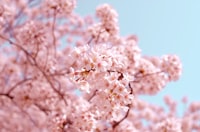
Spring (March-May) is sublime, with mild temperatures and the iconic cherry blossoms (sakura) painting the city in pink, especially around Osaka Castle and Kema Sakuranomiya Park.
Pros:
- + Perfect weather (10-20°C)
- + Cherry blossom festivals (hanami)
- + Comfortable for extensive walking
Cons:
- - Peak tourist season, crowded
- - Accommodation prices are highest
- - Requires booking everything far in advance
Summer
Summer (June-August) is hot, humid, and vibrant, with lively festivals like Tenjin Matsuri (one of Japan's top 3). Expect frequent, heavy rain in June-July (tsuyu/rainy season).
Pros:
- + Spectacular fireworks and festivals
- + Lively outdoor atmosphere
- + Longer daylight hours
Cons:
- - Intense heat and humidity (up to 32°C+)
- - Rainy season in June/July
- - Can be uncomfortable for extensive sightseeing
Autumn
Autumn (September-November) rivals spring with crisp air, stunning fall foliage (koyo), and delicious seasonal food. The weather is ideal after the September heat fades.
Pros:
- + Beautiful autumn colors
- + Pleasant, cool temperatures
- + Great for food (mushroom, chestnut season)
- + Fewer crowds than spring
Cons:
- - Typhoon risk in September
- - Can be unpredictable, cooling quickly in November
Winter
Winter (December-February) is cold but dry, with festive illuminations like the Midosuji Boulevard light-up. It's the best time for hot pot dishes and fugu.
Pros:
- + Lowest tourist crowds and hotel rates
- + Beautiful winter illuminations
- + Perfect for hot springs (onsen) and hot pot cuisine
Cons:
- - Chilly (averages 2-10°C)
- - Some outdoor attractions less appealing
- - Short daylight hours
Find cheap transport to Osaka
Compare prices for trains, buses, and flights to Osaka
Enter your departure city to see prices

Book Activities in Osaka
Skip the line with pre-booked tours and attractions
Day Trips from Osaka
Kyoto
30-45 min by JR Tokaido-Sanyo Line
The ancient imperial capital, offering a serene contrast to Osaka's bustle. Immerse yourself in a world of golden temples, serene bamboo forests, and traditional geisha districts.
Nara
45-50 min by JR Yamatoji Line
Japan's first permanent capital, where history comes alive. Famous for its freely roaming, bowing sacred deer and housing some of the country's oldest and largest Buddhist temples.
Kobe & Himeji
30 min to Kobe, 1 hour to Himeji by JR shinkansen
A dual-trip combining cosmopolitan Kobe, famous for its beef and harborland, with the majestic Himeji Castle, Japan's most spectacular and original feudal castle.
Osaka Budget Guide
Osaka is generally more affordable than Tokyo, but costs can vary widely. Street food and public transport are excellent value, while high-end dining and hotels in prime locations command premium prices.
Budget
¥5,000-8,000 ($35-55) for hostels, street food, and subway passes
per day
Mid-Range
¥15,000-25,000 ($100-170) for business hotels, restaurant meals, and paid attractions
per day
Luxury
¥40,000+ ($270+) for luxury hotels, fine dining, and private tours
per day
Money-Saving Tips
- •Use convenience stores (7-Eleven, Lawson) for cheap, quality breakfasts and snacks.
- •Purchase a rechargeable ICOCA card for all trains, buses, and even convenience store purchases.
- •Many museums and attractions offer discounted admission on specific weekdays or at month-end.
- •Stay in neighborhoods like Tennoji or Kyobashi for better hotel value than Namba/Umeda.
- •Tax-free shopping is available for tourists spending over ¥5,000 at designated stores—bring your passport.
Osaka Hidden Gems
Nakazakicho
A quiet, bohemian neighborhood north of Umeda, filled with indie cafes, vintage clothing stores, and art galleries in traditional wooden row houses.
It offers a completely different, slow-paced vibe just minutes from the skyscrapers, feeling like a creative village within the metropolis.
The National Museum of Art, Osaka (NMAO)
A stunning underground art museum located on Nakanoshima Island, focusing on contemporary art.
Its unique architecture (you descend into a silver, biomorphic structure) and cutting-edge exhibitions are a world away from traditional Japanese museums, and it's rarely crowded.
Tsuruhashi Market
Osaka's massive, covered Korean market, specializing in yakiniku (Korean BBQ) meats and ingredients.
It's an immersive cultural experience with a distinct Korean atmosphere, incredible food stalls, and far fewer foreign tourists than Kuromon.
Osaka Museum of Housing and Living
A museum in Tenjimbashisuji that recreates a full-scale, walk-through Edo-period Osaka townscape, complete with day-to-night lighting changes.
You can rent a kimono and stroll through the atmospheric streets—it's one of the best ways to visually travel back in time in Japan.
Mount Koya (Koyasan) Overnight Trip
A sacred mountain monastery complex, a UNESCO site, reachable by a scenic train and cable car journey.
While a bit farther, staying overnight in a temple lodging (shukubo), eating shojin ryori (Buddhist vegetarian cuisine), and exploring the vast, mystical Okunoin cemetery is a profoundly unique spiritual experience.
Osaka Culture & Customs
Osaka's culture is defined by its merchant history, resulting in a pragmatic, humorous, and outgoing populace. The 'kuidaore' (eat till you drop) spirit reflects a love for life's pleasures, while the local 'kansai-ben' dialect is warmer and more direct than standard Japanese. This is a city where business is done over a good meal and laughter is the common language.
Cultural Etiquette
- •It's polite to say 'Itadakimasu' before eating and 'Gochisosama deshita' after finishing.
- •Don't walk while eating street food; stand by the stall to finish. Drinking while walking is also frowned upon.
- •Tipping is not customary and can cause confusion. Excellent service is standard and included.
- •When entering a restaurant, you'll often be greeted with 'Irasshaimase!' (Welcome!). A simple nod or smile is a fine response.
- •On public transport, keep your voice down, set your phone to silent, and avoid phone calls.
Useful Phrases
Frequently Asked Questions about Osaka
Is the Osaka Amazing Pass worth it?
Absolutely, if you plan a packed sightseeing day. The 1-day pass (¥2,800) covers unlimited subway/bus travel and free entry to Osaka Castle, the Umeda Sky Building, a Tombori River Cruise, and 35+ other attractions. Do the math based on your itinerary—using just 3-4 included venues usually makes it pay off.
What's the best area to stay in Osaka for first-timers?
Namba (Minami) is the most popular for its central location amidst the major food and shopping districts like Dotonbori and Shinsaibashi. Umeda (Kita) is better for business travelers or those using the shinkansen, offering more upscale hotels and easy access to Osaka Station.
Do I need to speak Japanese in Osaka?
Not at all for tourism. In major tourist areas, signs are in English, and many restaurant menus have pictures or plastic food displays. Locals are very patient and helpful. Learning a few basic phrases (like 'sumimasen' for excuse me) is appreciated but not required.
How many days should I spend in Osaka?
A minimum of 2 full days is essential: one for the Minami (Dotonbori, Shinsekai) and Kita (Umeda) districts, and another for Osaka Castle, a market, and a museum. With 3-4 days, you can comfortably explore all major neighborhoods and take a day trip to Kyoto or Nara.
Is Osaka safe for solo travelers?
Osaka is one of the safest major cities in the world for solo travelers, including women. Violent crime is extremely rare. Normal precautions against petty theft (like watching your bag in crowded areas) are sufficient. Walking alone at night in entertainment districts is generally safe.
What's the best way to get from Osaka to Kyoto?
The JR Kyoto Line from Osaka Station to Kyoto Station is the most straightforward (30 min, ¥560). From Shin-Osaka Station, you can take the faster shinkansen (15 min, ¥1,420). The private Keihan Railway from Yodoyabashi or Kyobashi stations is best for reaching eastern Kyoto (Gion, Higashiyama).
Can I use my credit card everywhere?
Major hotels, department stores, and chain restaurants accept cards. However, many smaller restaurants, street food stalls, markets, and local shops are cash-only. Always carry sufficient yen. ATMs at 7-Eleven, Lawson, and Japan Post Banks accept foreign cards.
What should I do if it rains in Osaka?
Osaka is fantastic in the rain! Visit the incredible Kaiyukan Aquarium, explore the underground shopping malls of Umeda (like Whity Umeda or Diamor Osaka), spend hours in a massive department store, or relax in an onsen theme park like Spa World in Shinsekai.
Osaka Itineraries
Travel Guides

Compare with Other Cities
Plan your Osaka adventure
Let AI create the perfect itinerary for your trip to Osaka. Just describe what you want to experience.
Plan Osaka trip