

Best Time to Visit
April to June, September to November
Currency
Euro (€)
Language
Italian
Timezone
CET (UTC+1)
Discover Milan
Milan isn't just a city; it's a dynamic stage where centuries of art and innovation perform daily. The first glimpse of the Duomo's marble spires piercing the sky is unforgettable, but the real magic lies in the details: the intricate floor mosaics of Galleria Vittorio Emanuele II, the hushed reverence before Leonardo's 'The Last Supper' at Santa Maria delle Grazie, and the vibrant hum of an aperitivo crowd spilling from a Navigli canal-side bar. This is a city that demands you look beyond the obvious—discover the Renaissance masterpieces hidden within the fortress walls of Sforza Castle, feel the thrill of a world-class aria at Teatro alla Scala, and witness the future of design being born in the showrooms of Brera and the Tortona District.
While its reputation as a global fashion capital is well-earned, with the Quadrilatero della Moda hosting flagship stores from Prada to Versace, Milan's soul is equally found in its everyday rituals. Join locals for a morning espresso at a standing-only bar, explore the indie boutiques and contemporary art galleries of the Isola district, or simply get lost in the elegant, cobblestone streets. From the ancient Roman columns of San Lorenzo to the futuristic skyline of Porta Nuova, Milan masterfully curates a living museum where history is not just preserved, but constantly being rewritten.
Why Visit Milan?
For Unrivaled Art & Architecture: Witness Leonardo da Vinci's masterpiece, 'The Last Supper,' and explore the immense Sforza Castle, home to Michelangelo's final sculpture and multiple museums. The city's skyline is dominated by the breathtaking Gothic Duomo di Milano, which you can explore from its crypt to its rooftop terraces.
To Experience the Global Epicenter of Fashion & Design: Walk the hallowed ground of the Quadrilatero della Moda (Via Montenapoleone, Via della Spiga) and visit the innovative design studios of the Tortona District during Milan Design Week. The city itself is a showcase, from the Galleria's 19th-century arcade to the modern Bosco Verticale towers.
For a Legendary Food & Aperitivo Culture: Savor Milanese classics like golden, saffron-infused risotto alla milanese and tender ossobuco. The city invented the aperitivo tradition—enjoy a Negroni or Aperol Spritz with an abundant buffet of snacks for the price of a drink in Navigli or Brera.
To Dive into World-Class Performing Arts: Attend an opera or ballet at the legendary Teatro alla Scala, one of the most prestigious opera houses in the world. The city's cultural calendar is also packed with concerts, theater, and performances at venues like the Teatro degli Arcimboldi.
To Explore Distinctive, Vibrant Neighborhoods: Each district has its own personality, from the artistic alleys and pinacoteca of Brera to the trendy, canal-lined Navigli with its vintage markets and nightlife. The up-and-coming Isola area offers a more local, creative vibe.
For Excellent Access to Northern Italy: Milan is the perfect hub for unforgettable day trips. You can be on the shores of Lake Como in an hour, exploring the fairytale canals of Bergamo, or visiting the renowned vineyards of the Franciacorta wine region.
Milan is Known For
Ready to explore Milan?
Milan Neighborhoods
Centro Storico (Duomo & Brera)
The historic heart of Milan, centered around the magnificent Duomo cathedral. This area is a dense tapestry of iconic landmarks, luxury shopping in the Galleria, and the charming, artistic Brera district with its cobbled streets and the Pinacoteca di Brera art gallery.
Highlights:
Best for:
Navigli
Defined by its picturesque canals designed by Leonardo da Vinci, Navigli is Milan's most lively and bohemian quarter. By day it's known for its antique markets and artisan workshops; by night, the canal sides explode with bars and restaurants for the quintessential Milanese aperitivo.
Highlights:
Best for:
Porta Nuova & Isola
A striking contrast of ultra-modern skyscrapers and a traditionally working-class neighborhood. Porta Nuova showcases Milan's future with the Bosco Verticale (Vertical Forest) towers, while Isola retains a gritty, creative charm with indie boutiques, street art, and a strong community feel.
Highlights:
Best for:
Tortona & Porta Genova
The city's epicenter for contemporary design and innovation, formerly an industrial zone. This is where you'll find flagship design showrooms, the MUDEC museum, and during Milan Design Week, the most exciting Fuorisalone exhibitions. It blends seamlessly with the western end of the Navigli district.
Highlights:
Best for:
Top Attractions
Local Tips & Insider Knowledge
- •Book 'The Last Supper' tickets online at least 2-3 months in advance. Same-day tickets are virtually impossible to get.
- •Aperitivo time is typically from 6:30 PM to 9:00 PM. Look for places advertising 'aperitivo'—you pay for your drink (€10-15) and get access to a generous buffet of snacks.
- •For the best Duomo experience, book a 'Fast-Track' ticket online to skip the long lines, and go early in the morning or late afternoon to avoid the biggest crowds.
- •Public transport tickets (ATM) must be validated on your first tram/bus ride or at the metro station gate. A single €2.20 ticket is valid for 90 minutes.
- •Most shops close for a long lunch break (riposo) from around 1:00 PM to 3:30 PM, especially smaller, family-run businesses.
- •Coffee is cheap if you drink it standing at the bar (€1-1.50). Sitting at a table (al tavolo) can triple the price.
- •The Milanese dress stylishly but practically. Avoid overly touristy outfits; smart-casual is the norm, even for sightseeing.
- •On the first Sunday of every month, many state-run museums (like Sforza Castle museums) offer free admission.
- •Taxis are expensive and must be booked via phone, app, or found at official ranks. Never hail one on the street.
- •For a unique souvenir, skip the generic magnets and buy a panettone from a historic pastry shop like Pasticceria Marchesi or a design object from the Triennale Design Museum shop.
Milan Food Scene
Milanese cuisine is rich, hearty, and reflects its Northern Italian roots, with butter, rice, and braised meats taking center stage. Beyond the classics, the city is a gastronomic powerhouse, from historic trattorias to innovative Michelin-starred restaurants, all fueled by the beloved ritual of aperitivo.
Must-Try Dishes
Traditional Trattorias
- • Trattoria da Pino (near Duomo)
- • Osteria del Binari (in Navigli)
- • Risotto and ossobuco at Antica Trattoria della Pesa
Look for places with paper tablecloths and a menu written on a chalkboard for an authentic, no-frills experience.
Aperitivo Hotspots
- • Mag Café (Navigli)
- • N'Ombra de Vin (Brera)
- • Ceresio 7 (rooftop pools & drinks)
Arrive around 7 PM to get a good spot. The quality and quantity of the buffet vary greatly by venue and price of the drink.
Pastry & Coffee
- • Pasticceria Marchesi (historic café)
- • Panettone at Pavè
- • Cannoli siciliani at Gattullo
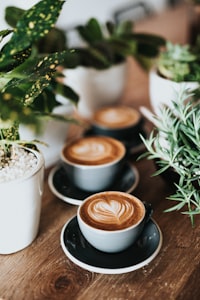
For the best espresso, go to a busy bar where the coffee turns over quickly. Order a 'caffè' for an espresso.
Fine Dining & Innovation
- • Il Luogo di Aimo e Nadia (2 Michelin stars)
- • Contraste (creative tasting menus)
- • Seta by Antonio Guida (Mandarin Oriental)
Book well in advance, especially for weekend dinners. Jackets for men are often required in the most upscale establishments.
Popular With
Best Time to Visit Milan
Spring
Spring (April to June) is arguably Milan's most glorious season. The weather is mild and sunny, perfect for outdoor cafes, rooftop terraces, and exploring parks like Sempione. The city is in full bloom.
Pros:
- + Ideal temperatures (15-25°C)
- + Long daylight hours
- + Major events like Milan Design Week (April)
Cons:
- - Peak tourist season, so higher prices and crowds
- - Can be unpredictable with occasional rain showers
Summer
Summer (July-August) is hot, humid, and can be quiet as many locals leave the city for holidays. While some shops and restaurants close, it's a good time for museum visits and enjoying the city's vibrant nightlife.
Pros:
- + Long, warm evenings perfect for aperitivo
- + Fewer business travelers
- + Summer sales (saldi) begin in July
Cons:
- - High heat and humidity (up to 35°C)
- - Some businesses closed for 'ferragosto' (mid-August)
- - Air can feel heavy and polluted
Autumn
Autumn (September to November) is another excellent time to visit. The summer heat fades, cultural life resumes in full swing, and the changing leaves in the parks create a beautiful backdrop. The grape harvest in nearby regions begins.
Pros:
- + Pleasant, crisp weather
- + Cultural season opens (opera, theater)
- + Food festivals and truffle season
Cons:
- - Increasing chance of rain and fog in late autumn
- - Can be busy with fashion events in September
Winter
Winter (December to February) is cold and often foggy, but it has a unique charm. The Christmas markets and lights are magical, and it's the season for hearty Milanese stews. January sees the start of the winter sales.
Pros:
- + Festive Christmas atmosphere and markets
- + Lowest hotel rates (except around Christmas/NYE)
- + Cozy atmosphere in cafes and restaurants
Cons:
- - Cold and damp, with temperatures often near freezing
- - Short daylight hours
- - Persistent fog ('nebbia') can limit views
Find cheap transport to Milan
Compare prices for trains, buses, and flights to Milan
Enter your departure city to see prices

Book Activities in Milan
Skip the line with pre-booked tours and attractions
Day Trips from Milan
Lake Como (Bellagio, Varenna)
1 hour by train to Como, then ferry
Escape to the dramatic beauty of the Italian Alps meeting the serene waters of Lake Como. Visit picturesque villages like Bellagio, known as the 'Pearl of the Lake,' and Varenna with its colorful waterfront, historic villas, and stunning gardens.
Bergamo
1 hour by train or 50 min by car
Discover a city of two halves: the modern lower city (Città Bassa) and the breathtaking, medieval upper city (Città Alta) perched on a hill, accessible by funicular. It's a perfectly preserved walled city with Venetian architecture, charming piazzas, and incredible views.
Pavia & Certosa di Pavia
30 min by train
A compact, elegant university town with a rich history, famous for its stunning Certosa di Pavia—a monumental, richly decorated Carthusian monastery that is one of the greatest Renaissance complexes in Italy. The town itself has a beautiful covered bridge and a vibrant student atmosphere.
Milan Budget Guide
Milan is one of Italy's most expensive cities, comparable to other European capitals like Paris or London. Costs are highest in the center and during major fashion/design events.
Budget
€60-90 per person for hostels, street food/pizza, and walking/public transport.
per day
Mid-Range
€150-250 per person for 3-star hotels, sit-down meals, museum entries, and some taxis.
per day
Luxury
€400+ per person for 5-star hotels, fine dining, private tours, and high-end shopping.
per day
Money-Saving Tips
- •The Milan City Pass can save money if you plan to visit many museums and use public transport.
- •Eat lunch like a local with a 'panino' from a deli or a pizza al taglio (by the slice).
- •Stay in neighborhoods like Città Studi or near Porta Romana for better hotel value.
- •Many churches and architectural sites are free to enter (e.g., Duomo interior, San Maurizio Church).
- •Pre-book trains for day trips (Trenitalia, Italo) for the best fares, which are much cheaper than buying last-minute.
Milan Hidden Gems
San Maurizio al Monastero Maggiore
A 16th-century church known as the 'Sistine Chapel of Milan' for its breathtaking, entirely frescoed interior.
While unassuming from the outside, the interior is an explosion of Renaissance frescoes by Bernardino Luini and his school, rivaling more famous chapels in artistic impact, yet often overlooked by tourists.
Colonne di San Lorenzo
A colonnade of 16 Roman Corinthian columns standing before the Basilica of San Lorenzo, near the Navigli district.
This is a vibrant local hangout, especially at night, where people gather on the steps. It offers a unique blend of ancient history and contemporary Milanese street life with a view of the basilica.
Fondazione Prada
A contemporary art complex housed in a converted gin distillery and featuring striking new architecture by Rem Koolhaas.
It's more than a museum; it's an immersive cultural experience with challenging exhibitions, a permanent haunted house installation, a chic bar, and a stunning gold-leaf covered tower.
Orto Botanico di Brera
A secret, tranquil botanical garden hidden behind the walls of the Brera Academy, dating back to 1774.
Just steps from the bustling Brera streets, this is a peaceful oasis with medicinal plants, a pond, and a greenhouse. It feels like a secret garden forgotten by time.
Casa Museo Boschi Di Stefano
An apartment museum showcasing the impressive private collection of 20th-century Italian art amassed by a Milanese couple.
It offers an intimate look at Italian modern art (including works by Fontana, Sironi, De Chirico) in the authentic setting of the collectors' home, providing a personal perspective you won't get in a large museum.
Milan Culture & Customs
Milanese culture is defined by a blend of industriousness, innovation, and understated elegance. It's a forward-looking, business-oriented city where punctuality and efficiency are valued, yet it deeply cherishes its artistic heritage and the sacred daily rituals of coffee and aperitivo. Style is innate but rarely flashy.
Cultural Etiquette
- •Greet shopkeepers when entering small stores with a 'buongiorno' (good day) or 'buonasera' (good evening).
- •Dress neatly and avoid overly casual beachwear when visiting churches or upscale restaurants.
- •It's polite to make a small toast ('cin cin!') before drinking during a meal or aperitivo.
- •Keep your voice down in public places like restaurants and public transport; loudness is frowned upon.
- •If invited to a local's home, bring a small gift like wine, pastries, or flowers (avoid chrysanthemums).
Useful Phrases
Frequently Asked Questions about Milan
Is Milan expensive?
Yes, Milan is one of Italy's most expensive cities, on par with other major European capitals. Dining, accommodation, and shopping in the center can be pricey, but budget options exist in outer neighborhoods, and many cultural sights are free or low-cost.
How many days do I need in Milan?
2-3 full days is ideal to see the major highlights (Duomo, Last Supper, Sforza Castle, Galleria) and explore a neighborhood or two. Add an extra day if you plan to attend an opera, delve deep into design, or take a day trip.
Do I need to speak Italian?
No, English is widely spoken in tourist areas, hotels, and restaurants. However, learning a few basic Italian phrases is appreciated and can enhance your experience, especially in smaller local shops and trattorias.
What is the best way to get around Milan?
The city center is very walkable. For longer distances, the metro is fast and efficient. Trams are scenic and useful. Purchase an integrated ATM ticket (€2.20 for 90 mins) for unlimited travel on buses, trams, and the metro within the time limit.
Is Milan just for fashion and shopping?
Absolutely not. While a global fashion capital, Milan boasts incredible Renaissance and modern art, breathtaking Gothic and contemporary architecture, world-class opera, a rich culinary tradition, and a fascinating history dating back to Roman times.
When is Milan Design Week?
Milan Design Week (and the Salone del Mobile furniture fair) typically takes place in April. The city transforms with hundreds of exhibitions (Fuorisalone) across neighborhoods like Tortona and Brera. Book accommodation and events far in advance.
Can I visit the Duomo rooftop?
Yes, and it's highly recommended. You can access the terraces by stairs or elevator (ticket required). The views over the city and the close-up view of the Gothic spires and statues are unforgettable. Book a 'Duomo Pass' online to combine access.
What should I do if I can't get Last Supper tickets?
Check for last-minute cancellations on the official website, or book a guided tour that includes entry (often more expensive but guaranteed). As an alternative, visit the Museo Nazionale della Scienza e della Tecnologia, which houses models of Leonardo's inventions.
Milan Itineraries
Travel Guides

Compare with Other Cities
Plan your Milan adventure
Let AI create the perfect itinerary for your trip to Milan. Just describe what you want to experience.
Plan Milan trip