

Best Time to Visit
March to May (cherry blossoms), October to November (autumn leaves)
Currency
Japanese Yen (¥)
Language
Japanese
Timezone
JST (UTC+9)
Discover Kyoto
Kyoto isn't just a city; it's a living museum where Japan's soul resides. Walk the vermilion torii tunnels of Fushimi Inari at dawn, hear the whisper of monks' prayers at Kiyomizu-dera, and catch a fleeting glimpse of a geiko's silk kimono in the lantern-lit alleyways of Gion. This is where you'll find the Japan of your imagination, preserved with astonishing care across 17 UNESCO World Heritage sites.
Beyond the iconic temples, Kyoto's magic unfolds in quiet moments: the precise choreography of a tea ceremony in a machiya townhouse, the taste of impossibly fresh tofu in a 400-year-old restaurant in Nanzen-ji, and the breathtaking transformation of the Philosopher's Path each spring and autumn. The city operates on a seasonal rhythm—hanami cherry blossom parties in April, koyo leaf-peeping in November, and the quiet beauty of snow-dusted temple gardens in winter.
What truly sets Kyoto apart is its seamless layering of history. You can meditate in a 1,200-year-old zen garden at Ryoan-ji, then sip craft coffee in a converted sake brewery. Witness ancient kimono-dyeing techniques in Nishijin, then enjoy innovative kaiseki cuisine that reinterprets centuries of culinary tradition. This constant dialogue between past and present makes every visit uniquely personal.
Why Visit Kyoto?
Unparalleled Temple & Shrine Density: Experience spiritual Japan through its 1,600 Buddhist temples and 400 Shinto shrines, from the golden reflection of Kinkaku-ji to the thousand gates of Fushimi Inari Taisha and the 'stage' of Kiyomizu-dera perched above the city.
Living Geisha Culture in Gion & Pontocho: Kyoto is one of the last places where you can authentically encounter geiko (Kyoto dialect for geisha) and maiko (apprentices) in the preserved entertainment districts, especially during the spring Miyako Odori dances.
World-Class Seasonal Transformations: Participate in Japan's deep appreciation for fleeting beauty—sakura cherry blossoms along the Kamogawa River in spring and fiery koyo maple leaves at temples like Tofuku-ji in autumn create utterly different cities.
Zen Garden Perfection: Study the art of contemplation at the ultimate zen gardens, including the abstract rock garden at Ryoan-ji, the moss paradise of Saiho-ji (Kokedera), and the raked gravel landscapes of Daitoku-ji temple complex.
Culinary Capital of Japan: Savor Kyoto's refined food culture, from multi-course kaiseki ryori and yudofu (tofu hot pot) in temple surroundings to Nishiki Market's street food and the unique flavors of Kyo-wagashi (Kyoto sweets).
Preserved Traditional Arts & Crafts: Engage with living history through workshops in kyo-yuzen silk dyeing, kiyomizu-yaki pottery, fan-making, or even a short-term samurai experience, connecting with artisan lineages centuries old.
Kyoto is Known For
Ready to explore Kyoto?
Kyoto Neighborhoods
Gion & Higashiyama
The iconic postcard image of Kyoto, with preserved wooden machiya houses, stone-paved streets, and traditional teahouses. This area is the heart of geisha culture and home to many of Kyoto's most famous temples along the eastern hills.
Highlights:
Best for:
Central Kyoto (Kawaramachi / Downtown)
The bustling commercial heart with a mix of modern department stores, traditional shops, and vibrant nightlife along the Kamo River. A great area for shopping, dining, and feeling the city's contemporary pulse.
Highlights:
Best for:
Arashiyama
A scenic district on Kyoto's western outskirts, famous for its natural beauty. It's a world of bamboo forests, mountain temples, and a picturesque river, offering a more relaxed, village-like atmosphere.
Highlights:
Best for:
Northern Kyoto (Kita)
Home to the famed Golden Pavilion and several important temple complexes, this area is quieter and more residential. It's perfect for deep temple exploration and visiting lesser-known gardens.
Highlights:
Best for:
Top Attractions
Local Tips & Insider Knowledge
- •Visit major temples like Kiyomizu-dera or Fushimi Inari right at opening (usually 6 or 7 AM) to experience them in peaceful solitude before the tour buses arrive.
- •For the best chance of seeing a geiko or maiko, stroll the backstreets of Gion (Hanami-koji) or Pontocho around 5:30-6:00 PM as they head to appointments. Be respectful—no flash photography or blocking their path.
- •Buy a one-day bus pass (¥700) if you plan to take more than three bus rides. Kyoto's grid-like bus system is the best way to reach many temples, but can get very crowded.
- •Many temples have special night illuminations (light-ups) during cherry blossom and autumn leaf seasons. Eikando and Kiyomizu-dera are particularly stunning, but book tickets online in advance.
- •Try yudofu (simmered tofu) at a temple-affiliated restaurant, especially in the Nanzen-ji or Okazaki areas. It's a profound Kyoto culinary experience, simple yet deeply flavorful.
- •For a unique souvenir, visit a craft workshop. You can try making your own wagashi sweet at Toraya, dye a handkerchief with kyo-yuzen techniques, or paint a kiyomizu-yaki cup.
- •Use the Keihan or Hankyu railway lines to reach areas like Fushimi Inari or Arashiyama—they're often faster and less crowded than the municipal buses for cross-city travel.
- •If a temple has a 'special inner garden' (hojo garden) requiring a separate ticket (usually ¥500-1000), it's almost always worth it for a more intimate, crowd-free experience.
- •Carry cash (Japanese Yen). While credit cards are accepted at hotels and major stores, many smaller restaurants, temples (for entrance/goshuin), and market stalls are cash-only.
- •Learn the basic etiquette: bow slightly when greeting, don't eat while walking, place money on the tray at registers, and be quiet and respectful in temple and garden spaces.
Kyoto Food Scene
Kyoto's cuisine (Kyo-ryori) is defined by refinement, seasonality, and deep tradition, shaped by its inland location and imperial history. It emphasizes delicate presentation, local vegetables (Kyo-yasai), tofu, and subtly flavored dashi broth. From temple vegetarian shojin ryori to elaborate multi-course kaiseki, eating here is a cultural act.
Must-Try Dishes
Kaiseki & Fine Dining
- • Kikunoi (3 Michelin stars)
- • Hyotei (historic ryotei)
- • Gion Matayoshi (traditional setting)
Book months in advance for top restaurants. Lunch kaiseki courses are often half the price of dinner.
Temple Cuisine (Shojin Ryori)
- • Tenryu-ji's Shigetsu (in Arashiyama)
- • Izusen at Daiji-in (Daitoku-ji)
- • Okutan at Nanzen-ji
Reservations are usually essential. This vegetarian Buddhist cuisine is serene and beautifully presented.
Nishiki Market Street Food
- • Tako tamago (candied baby octopus)
- • Kyo pickles (tsukemono)
- • Fresh soy milk doughnuts
- • Grilled scallops
Go hungry in the morning, sample as you go, and be prepared for crowds—it's narrow and very popular.
Izakaya & Local Specialties
- • Pontocho alley izakayas
- • Kushikatsu (skewers) at Daruma
- • Obanzai (home-style dishes) at Mitsuyasu
For Pontocho, look for restaurants with English menus or plastic food displays. Don't be afraid to point and order.
Popular With
Best Time to Visit Kyoto
Spring
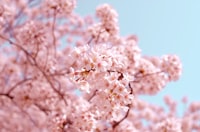
Kyoto's most famous and crowded season, as cherry blossoms (sakura) paint the city in soft pink from late March to mid-April. Parks are filled with hanami parties, and temples hold special evening illuminations.
Pros:
- + Iconic cherry blossom scenery
- + Pleasant, mild temperatures
- + Special seasonal events and food
Cons:
- - Extreme crowds and higher prices
- - Accommodation books out months ahead
- - Unpredictable bloom timing
Summer
Hot and humid, with occasional rain. Lush green landscapes and vibrant festivals like Gion Matsuri in July define the season. Evenings along the Kamo River are lively.
Pros:
- + Major festivals (Gion Matsuri, Daimonji Gozan Okuribi)
- + Lush, green temple gardens
- + Fewer crowds than spring/autumn
Cons:
- - Intense heat and humidity (up to 35°C+)
- - Rainy season (tsuyu) in June/early July
- - Mosquitoes in garden areas
Autumn
The second peak season, rivaling spring in beauty. From late October through November, maple trees turn brilliant crimson and gold, creating breathtaking koyo scenery at temples and mountainsides.
Pros:
- + Stunning autumn foliage (koyo)
- + Crisp, cool, and generally dry weather
- + Night illuminations at temples
Cons:
- - Very heavy crowds at popular leaf spots
- - Peak hotel rates
- - Can be chilly, especially in late November
Winter
Cold and quiet, with occasional light snow that transforms temple gardens into magical scenes. A time for peaceful reflection, hot springs (onsen), and warming comfort food.
Pros:
- + Smallest crowds and lower prices
- + Chance of seeing snow-dusted temples
- + Cozy atmosphere and winter illuminations
Cons:
- - Can be quite cold (often 0-10°C)
- - Some gardens are less vibrant
- - Shorter daylight hours
Find cheap transport to Kyoto
Compare prices for trains, buses, and flights to Kyoto
Enter your departure city to see prices

Book Activities in Kyoto
Skip the line with pre-booked tours and attractions
Day Trips from Kyoto
Nara
45 min by JR Nara Line rapid train
Japan's first permanent capital, home to some of the country's oldest and largest temples, and hundreds of freely roaming sacred deer in Nara Park.
Osaka
30 min by JR Special Rapid Service or Hankyu Railway
Kyoto's energetic neighbor offers a complete contrast: legendary street food, vibrant nightlife in Dotonbori, and impressive modern castles.
Uji
20 min by JR Nara Line or Keihan Uji Line
The green tea capital of Japan, famous for its high-quality matcha. A serene town with World Heritage temples and a historic atmosphere.
Kyoto Budget Guide
Kyoto is a major tourist destination and can be expensive, especially during peak seasons. However, with careful planning, it's possible to visit on a moderate budget by utilizing public transport passes, affordable food options, and budget accommodation.
Budget
¥7,000-10,000 ($45-65) for hostels, market/convenience store meals, bus passes, and temple entries.
per day
Mid-Range
¥15,000-25,000 ($100-165) for business hotels/ryokan, restaurant meals, some taxis, and more paid attractions.
per day
Luxury
¥40,000+ ($260+) for luxury ryokan/hotels, kaiseki dinners, private guides, and high-end experiences.
per day
Money-Saving Tips
- •Stay in a business hotel slightly outside the center (e.g., near Kyoto Station) for better value.
- •Many temples have free or very cheap entry (e.g., Fushimi Inari, many subtemples of Daitoku-ji).
- •Lunch sets (teishoku) at restaurants are significantly cheaper than dinner, often under ¥1,500.
- •Buy a rechargeable IC card (ICOCA or Suica) for seamless travel on trains and buses, and small purchases.
- •Consider the Kansai Thru Pass for multi-day, flexible travel on private railways and buses in the region.
Kyoto Hidden Gems
Shogunzuka Seiryuden & Viewpoint
A temple and viewing platform on Mount Higashiyama, offering a breathtaking, panoramic view of the entire Kyoto basin.
It's far less crowded than the Kiyomizu-dera view, and the vast painted ceiling inside the hall is stunning. The view is especially magical at sunset.
Fushimi Sake District
A historic area in southern Kyoto along the Horikawa River, lined with traditional sake breweries, many offering tours and tastings.
You can sample some of Japan's finest sake straight from the source, stroll quiet canals, and learn about the brewing process in a charming, less-touristed setting.
Okochi Sanso Villa
The former estate of a silent film star, located at the top of the Arashiyama Bamboo Grove path.
Most people turn back after the bamboo, missing this exquisite, privately-built garden with stunning views over Kyoto and a peaceful tea house serving matcha included in the admission.
Sentō Imperial Palace Gardens
A serene, sprawling strolling garden originally built for retired emperors, located within the Kyoto Imperial Park.
It requires a free guided tour booked in advance, ensuring a quiet, contemplative experience of classic Japanese garden design without the crowds of more famous spots.
Kibune to Kurama Hike
A scenic forest hike between the two small towns of Kibune and Kurama, north of the city, passing temples and ending at an onsen (hot spring).
It's a perfect nature escape, combining Shinto atmosphere (Kibune Shrine), beautiful woodland trails, and the reward of a relaxing bath at Kurama Onsen, all easily accessible by train.
Kyoto Culture & Customs
Kyoto is the guardian of Japanese traditional arts, etiquette, and aesthetics. The culture values harmony (wa), respect, and a deep connection to the seasons (kisetsukan). Silence and subtlety are often more powerful than overt expression, especially in tea ceremony, garden design, and interpersonal interaction.
Cultural Etiquette
- •Remove your shoes when entering temples, ryokan, and some traditional restaurants—look for the step up and shoe shelves.
- •Be quiet and respectful in temples and gardens. These are active places of worship and contemplation.
- •Do not eat or drink while walking. Find a place to sit, or eat at the stall. This is considered impolite.
- •When paying, place money on the small tray provided at the register rather than handing it directly to the cashier.
- •On public transport, speak quietly, set phones to silent, and avoid phone calls. Priority seats are for those who need them.
Useful Phrases
Frequently Asked Questions about Kyoto
How many days do I need in Kyoto?
A minimum of 3 full days is recommended to see the major highlights without rushing. To explore deeper, including day trips and lesser-known temples, 5-7 days is ideal. Kyoto's sights are spread out, so factor in travel time between districts.
Is the Japan Rail (JR) Pass worth it for just Kyoto?
No, the nationwide JR Pass is not cost-effective if you're only staying in Kyoto. It only pays off for long-distance Shinkansen travel. For getting around Kyoto, use an ICOCA/Suica IC card or a one-day bus pass. Consider a Kansai Area Pass if doing multiple day trips from Kyoto.
Can I visit temples during COVID-19 or other restrictions?
Temples and shrines in Kyoto are almost always open. However, special events, night illuminations, or access to certain inner buildings may be restricted. Always check the official website of major temples (like Kiyomizu-dera or Kinkaku-ji) for the latest visitor information before you go.
What should I wear to visit temples in Kyoto?
Wear comfortable, removable shoes as you'll take them off frequently. Dress modestly—avoid overly revealing clothing. The city is walkable, so prioritize comfort. In summer, bring a hat and water; in winter, dress in layers as temple interiors can be cold.
Do I need to book accommodation and restaurants far in advance?
Yes, especially during cherry blossom (March-April) and autumn foliage (October-November) seasons. Top ryokan and kaiseki restaurants can book out 3-6 months in advance. For other times, booking 1-2 months ahead is still advisable for the best options.
Is Kyoto vegetarian/vegan-friendly?
Yes, but it requires research. Kyoto is the birthplace of shojin ryori (Buddhist vegetarian cuisine). Many temples serve it, but you must book ahead. Regular restaurants often use dashi (fish stock), so learn the phrase "bejitarian" (vegetarian) and "niku nashi, sakana nashi" (no meat, no fish). Use the HappyCow app.
What is a goshuin and how do I get one?
A goshuin is a beautiful calligraphic temple or shrine seal, collected in a special book (goshuincho). It's a unique souvenir and record of your visit. Present your book at the temple's office (usually marked), pay a small donation (¥300-500), and wait while the priest writes it. It's a respectful practice, not a stamp rally.
Is it okay to take photos everywhere?
No. While outdoor areas of temples and gardens are generally fine, always look for signs saying "No Photography" or "No Photos Inside." This is common in temple halls with sacred statues or paintings. Never use flash. Absolutely do not take photos of geiko/maiko without explicit permission—it's deeply disrespectful.
Kyoto Itineraries
Travel Guides



Compare with Other Cities
Plan your Kyoto adventure
Let AI create the perfect itinerary for your trip to Kyoto. Just describe what you want to experience.
Plan Kyoto trip