

Best Time to Visit
March to May, September to November
Currency
Hungarian Forint (HUF)
Language
Hungarian
Timezone
CET (UTC+1)
Discover Budapest
Budapest is really two cities—Buda and Pest—united by the Danube and some of the most photogenic bridges in Europe. On one bank rises the hilly Castle District with its Baroque palaces and medieval streets; on the other spreads flat Pest with its grand boulevards, ruin bars, and restless creative energy. Together they form one of the continent's most dramatic capitals.
The Hungarian capital wears its turbulent history openly. Ottoman thermal baths still steam as they have for 500 years, Habsburg-era coffee houses maintain their gilded splendor, and bullet holes from 1956 scar buildings alongside scars from 1944. Yet Budapest refuses to be weighed down by the past—instead, it has channeled that history into one of Europe's most vibrant nightlife scenes and a contemporary art scene that punches far above its weight.
What sets Budapest apart is its accessibility. This is a world-class city that hasn't yet been priced out—thermal baths cost under €20, excellent wine flows for €3 a glass, and ruin bars turn crumbling courtyards into wonderlands for the price of a beer. Come before the secret gets out.
Why Visit Budapest?
Soak in thermal baths that have been healing bodies for 500 years—from the Ottoman-era Rudas to the Art Nouveau Gellért, Budapest's spa culture is unique in Europe.
Experience ruin bars born in abandoned buildings, where each room is a different fantasia of salvaged furniture, art installations, and communal energy.
Stand on Fisherman's Bastion at sunset and watch the Danube turn gold beneath the Parliament—one of Europe's most spectacular urban views.
Discover a food revolution where traditional Hungarian cuisine meets contemporary creativity at prices that seem too good to be true.
Explore the largest synagogue in Europe and the poignant Shoes on the Danube memorial, understanding Hungary's complex Jewish heritage.
Find exceptional value in a capital city where world-class experiences—opera, thermal baths, fine dining—cost a fraction of Western European prices.
Budapest is Known For
Ready to explore Budapest?
Budapest Neighborhoods
Castle District (Buda)
The historic heart atop Castle Hill, with the Royal Palace, Matthias Church, and Fisherman's Bastion offering panoramic views across to Pest. Cobblestoned and touristy by day, atmospheric and quiet by night.
Highlights:
Best for:
Jewish Quarter (District VII)
Ground zero for Budapest's ruin bar scene, with Szimpla Kert spawning imitators in crumbling courtyards throughout the quarter. By day, important synagogues and memorials; by night, the city's party epicenter.
Highlights:
Best for:
Andrássy Avenue & City Park
Budapest's Champs-Élysées stretches from the Opera House to Heroes' Square, lined with embassies, designer shops, and the Terror House museum. The avenue ends at City Park with its thermal baths, zoo, and fairytale castle.
Highlights:
Best for:
Óbuda & Margaret Island
Old Buda's atmospheric main square and Roman ruins feel miles from tourist crowds. Margaret Island floats in the Danube between Buda and Pest, a car-free park perfect for cycling, swimming, and escaping the city.
Highlights:
Best for:
Top Attractions
Local Tips & Insider Knowledge
- •The Parliament is best photographed from Batthyány tér on the Buda side—arrive at golden hour for the postcard shot.
- •Thermal baths have rituals: bring flip-flops, rent towels, and understand that locals treat them as social spaces, not tourist attractions.
- •Ruin bars peak after midnight. Early evening is for tourists; the real crowd arrives after 11pm and stays until dawn.
- •Street food in the Jewish Quarter has inflated to tourist prices. Walk 5 minutes to District IX for authentic Hungarian food at local prices.
- •The Opera House offers €15 standing room tickets for world-class performances. The interior alone is worth seeing.
- •Gellért Hill at sunset rivals Fisherman's Bastion but is free and far less crowded. Bring wine.
- •Skip the overpriced hotel airport shuttle. Bus 100E runs direct to Deák Ferenc tér for €2.50.
- •Tipping 10% is standard at restaurants. Service is often added automatically—check your bill before adding more.
- •Hungarian is impenetrably complex, but 'köszönöm' (thank you) and 'szia' (informal hello/bye) are appreciated attempts.
- •The Budapest Card rarely pays off unless you'll heavily use public transport and visit many museums. Calculate first.
Budapest Food Scene
Hungarian cuisine has emerged from its hearty, paprika-heavy past into a dynamic food scene. Traditional dishes—goulash, chicken paprikash, lángos—remain beloved, but a new generation of chefs is reinterpreting these classics with modern techniques. Add excellent local wines and brandy (pálinka), and Budapest's food scene offers exceptional quality at remarkable value.
Must-Try Dishes
Traditional Hungarian
- • Kéhli Vendéglő (writer's haunt)
- • Borkonyha (Michelin-starred)
- • Menza (retro socialist chic)
Traditional portions are enormous. Don't over-order—sharing is normal and expected.
Market Food
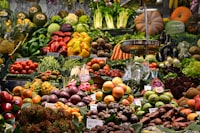
- • Great Market Hall (ground floor stalls)
- • Hold Street Market (locals' choice)
- • Street food at Karavan
The Great Market Hall's ground floor has fresh produce at fair prices; upstairs is a tourist trap.
Modern Hungarian
- • Costes (first Budapest Michelin star)
- • Stand (contemporary)
- • Babel (rooftop dining)
Budapest's fine dining rivals any European capital at half the price. Book ahead for dinner.
Wine & Pálinka
- • Divino wine bar
- • For Sale Pub (pálinka selection)
- • Kadarka wine bar
Hungarian wines are excellent and criminally underpriced. Ask for Egri Bikavér (Bull's Blood) reds or Tokaji whites.
Popular With
Best Time to Visit Budapest
Spring
Budapest awakens beautifully—outdoor terraces reopen, thermal baths feel especially refreshing, and festivals fill the calendar without summer's crowds.
Pros:
- + Pleasant weather (15-22°C)
- + Easter festivals
- + Outdoor terraces reopen
- + Fewer tourists than summer
Cons:
- - April showers common
- - Some attractions on winter hours early spring
- - Variable weather
Summer
Long days, outdoor festivals, and river life at its peak. Locals flock to Margaret Island beaches and rooftop bars. The city buzzes but can get very hot.
Pros:
- + Festival season (Sziget in August)
- + Margaret Island beach culture
- + Long days for sightseeing
- + Outdoor ruin bars at peak
Cons:
- - Very hot (28-35°C+)
- - Tourist crowds
- - August Sziget Festival fills the city
- - Some locals leave for Lake Balaton
Autumn
Perhaps the best time to visit—summer crowds disperse, wine harvest brings celebrations, and the city glows in autumn light. Thermal baths feel particularly inviting.
Pros:
- + Perfect weather (15-22°C)
- + Wine harvest festivals
- + Beautiful fall colors
- + Fewer tourists
Cons:
- - Days shortening
- - Rain increasing in November
- - Some outdoor venues closing
Winter
Cold but magical—Christmas markets fill the squares, thermal baths steam invitingly against the cold air, and the city's Habsburg-era grandeur feels especially atmospheric.
Pros:
- + Magical Christmas markets
- + Thermal baths in snow
- + Lowest prices
- + Cozy ruin bar atmosphere
Cons:
- - Cold (0-5°C)
- - Short days
- - Some outdoor attractions limited
- - Gray weather
Find cheap transport to Budapest
Compare prices for trains, buses, and flights to Budapest
Enter your departure city to see prices

Book Activities in Budapest
Skip the line with pre-booked tours and attractions
Day Trips from Budapest
Szentendre
40 minutes by HÉV suburban train
A picturesque artists' colony on a Danube bend, with colorful Baroque houses, galleries, and Serbian Orthodox churches. Perfect for a half-day escape from the city.
Eger
2 hours by train
A Baroque gem famous for Bull's Blood wine and its heroic Ottoman siege history. Wine cellars in the Valley of Beautiful Women offer tastings; the castle tells war stories.
Lake Balaton
1.5-2 hours by train to various towns
Central Europe's largest lake, ringed by wine regions, historic towns, and beach resorts. Summer brings crowds; shoulder seasons offer peaceful wine country charm.
Budapest Budget Guide
Budapest offers outstanding value—this is a world-class European capital where you can eat, drink, and experience culture at a fraction of Western prices. Thermal baths, opera, and fine dining that would cost €€€€ elsewhere are genuinely affordable here. Accommodation is the main expense; everything else is a pleasant surprise.
Budget
€40-60
per day
Mid-Range
€80-130
per day
Luxury
€200+
per day
Money-Saving Tips
- •Thermal bath entry is €15-25 depending on the bath and day. Weekday mornings are cheapest and least crowded.
- •The Hungarian State Opera offers standing room for €15 and discounted tickets for students—world-class performances at pub prices.
- •Lunch specials ('napi menü') at local restaurants offer two courses for €5-8. Dinner at the same places costs significantly more.
- •Ruin bar drinks are priced for tourists. Pre-game at a local kocsmák (pub) where beer is €1-2.
- •The 72-hour Budapest Card (€65) covers transport and museums but rarely pays off. Calculate your itinerary first.
Budapest Hidden Gems
Szimpla Kert Sunday Farmers Market
Budapest's most famous ruin bar transforms Sunday mornings into a farmers market with local produce, crafts, and excellent brunch options.
See Szimpla in daylight without the party chaos. The market is authentic, supporting local producers, and the eclectic décor is actually visible.
Rudas Baths Rooftop Pool
A 16th-century Ottoman bath with a modern rooftop addition—a circular pool with panoramic views over the Danube and Pest skyline.
Most tourists go to Széchenyi or Gellért. Rudas combines authentic Ottoman atmosphere with the best views of any bath. The night bath sessions (Friday/Saturday) are unforgettable.
Kerepesi Cemetery
Hungary's Père Lachaise—a monumental cemetery with elaborate tombs of national heroes, artists, and politicians set in a park-like landscape.
A peaceful escape that tells Hungarian history through its graves. Hardly any tourists, beautiful 19th-century monuments, and a genuine understanding of national identity.
Hungarian Railway Museum
A sprawling outdoor museum in a former locomotive depot, where you can drive trains, ride turntables, and explore a century of Hungarian rail history.
Perfect for families or anyone who was ever a kid. Hands-on, uncrowded, and surprisingly fascinating—plus you can actually operate historic trains.
Falk Miksa Street Antiques
A street of antique shops near Parliament specializing in everything from Habsburg-era furniture to Soviet kitsch.
The street captures Budapest's layered history in objects. Window shopping is free; buying means taking home a piece of Central European history.
Budapest Culture & Customs
Hungarian culture is proud, melancholic, and fiercely independent—shaped by centuries of foreign rule and a language that isolates Hungary from all its neighbors. The famous pessimism ('Hungarian blues') coexists with warmth, hospitality, and a talent for making the best of difficult situations. Don't expect immediate warmth; do expect genuine connection once established.
Cultural Etiquette
- •Hungarians shake hands when meeting and when saying goodbye. A firm handshake with eye contact is expected.
- •When toasting, maintain eye contact and don't clink glasses for beer (a superstition dating to the 1848 revolution).
- •Tipping 10% is standard. Round up taxi fares. Never leave coins on the table—hand the tip directly and state the total.
- •Remove shoes when entering Hungarian homes. Hosts will offer slippers.
- •Hungarians are formal with strangers. Use 'Ön' (formal you) until invited to use 'te' (informal).
Useful Phrases
Frequently Asked Questions about Budapest
Is Budapest safe?
Very safe overall. Petty crime occurs in tourist areas and on public transport—watch belongings at ruin bars and on the metro. Taxi scams existed but apps have reduced them. The Jewish Quarter is busy but safe at night. Violent crime is rare.
How many days do I need in Budapest?
Three days covers the main sights—both sides of the river, a thermal bath, and the ruin bars. Four to five days allows for deeper exploration and day trips. A week lets you truly relax into the thermal bath culture and discover hidden neighborhoods.
Which thermal bath should I visit?
Széchenyi for the grand outdoor experience (photogenic, busy). Gellért for Art Nouveau architecture (pricier, touristy). Rudas for authentic Ottoman atmosphere and rooftop views (local favorite). Király for intimate Ottoman charm. Each offers a different experience.
Are ruin bars overrated?
Szimpla Kert has become very touristy, but it's still worth seeing once for the creative décor. Alternatives like Instant-Fogas, Anker't, and Élesztő (craft beer) offer similar vibes with more locals. The magic is real—just venture beyond the most famous name.
What's the best area to stay?
District VII (Jewish Quarter) for nightlife and central location. District V (Inner City) for elegance and walking distance to everything. Buda for quieter stays with castle views. District VI (Terézváros) for a balance of local life and accessibility.
Can I pay with euros?
Hungary uses the Hungarian Forint (HUF). Some tourist businesses accept euros but at poor rates. Use ATMs from banks (OTP, CIB) and pay in Forints everywhere. Contactless card payments are widely accepted.
Is the Hungarian language really impossible?
It's genuinely difficult—unrelated to any language you likely know, with complex grammar and unfamiliar sounds. But English is widely spoken in tourist areas and by young people. Learning 'köszönöm' (thank you) earns genuine appreciation.
When is the best time to visit Budapest?
April-May and September-October for ideal weather and fewer crowds. August has Sziget Festival (book ahead if you want this; avoid if you don't). December for magical Christmas markets. Summer is hot but vibrant; winter is cold but thermal baths steam invitingly.
Budapest Itineraries
Travel Guides



Compare with Other Cities
Plan your Budapest adventure
Let AI create the perfect itinerary for your trip to Budapest. Just describe what you want to experience.
Plan Budapest trip