

Best Time to Visit
April to June, September to October
Currency
Euro (€)
Language
Italian
Timezone
CET (UTC+1)
Discover Bologna
Bologna seduces not with postcard perfection, but with lived-in elegance and profound authenticity. Its identity is woven from three distinct threads: the world's oldest university, founded in 1088, which infuses the city with a vibrant, youthful energy; the 62 kilometers of historic porticos—UNESCO-listed architectural marvels that provide elegant shelter from sun and rain as you explore; and its undisputed status as Italy's culinary heart, where food is a serious art form passed down through generations.
Forget the tourist hordes of Florence and Venice. Here, life unfolds in the shadow of the Two Towers, in the bustling Quadrilatero Market where butchers and cheesemongers have traded for centuries, and in the grand Piazza Maggiore, where students, locals, and visitors mingle under the gaze of Neptune. Bologna is a city to be tasted in its rich ragù, touched in its warm terracotta hues, and experienced in the lively chatter of its osterie. It offers a masterclass in la dolce vita, served without pretense.
Why Visit Bologna?
The Food Capital of Italy: Experience the birthplace of tagliatelle al ragù (never call it 'spaghetti bolognese'), tortellini in brodo, and mortadella. Dive into the Quadrilatero's food markets, join a pasta-making class, or simply hop between historic osterie like Osteria dell'Orsa and Trattoria Anna Maria.
Architectural Wonder of the Porticos: Walk the world's longest portico stretching 3.8 km to the Sanctuary of the Madonna di San Luca. These elegant, covered arcades—from the wooden vaults of Via Clavature to the grand Archiginnasio—define the city's streetscape and offer unique, rain-or-shine exploration.
A Living University City: Feel the intellectual energy of the University of Bologna, founded in 1088. Explore the ancient Anatomical Theatre in the Archiginnasio, browse radical bookshops in the University District, and soak up the vibrant, affordable aperitivo scene fueled by students.
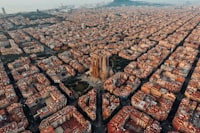
Towers & Red-Brick Beauty: Climb the 498 steps of the Asinelli Tower for breathtaking views over a sea of terracotta rooftops. Admire the city's iconic hue, 'Bologna red,' and discover medieval marvels like the Seven Churches complex of Santo Stefano.
Authentic Italian Culture: Experience a city largely untouched by mass tourism. Shop for local produce at Mercato delle Erbe, listen to jazz in hidden cellars, and engage with proud locals who live their culture daily, not just perform it for visitors.
Strategic Location in Emilia-Romagna: Use Bologna as your perfect base to explore the riches of the region. Easy day trips lead to Parmesan cheese producers in Modena, balsamic vinegar estates in Reggio Emilia, and the supercar factories of the Motor Valley.
Bologna is Known For
Ready to explore Bologna?
Bologna Neighborhoods
Historic Center (Centro Storico)
The vibrant, beating heart of Bologna, centered around Piazza Maggiore and Piazza del Nettuno. This is where you'll find the major monuments, endless portico-lined shopping streets, and a constant buzz of activity from morning until late.
Highlights:
Best for:
University District
A labyrinth of narrow streets east of the Two Towers, pulsating with student energy. Packed with affordable trattorias, eclectic bookshops, lively bars, and graffiti-covered walls, it's the city's intellectual and rebellious soul.
Highlights:
Best for:
Santo Stefano
An elegant and tranquil quarter southwest of the center, centered on the fascinating complex of Santo Stefano (the 'Seven Churches'). It's characterized by upscale boutiques, art galleries, and refined restaurants in a more relaxed atmosphere.
Highlights:
Best for:
La Bolognina & Fiera District
A modern, evolving area north of the main train station. It's a mix of post-industrial spaces turned cultural hubs, contemporary architecture like the Manifattura delle Arti, and a diverse, multicultural residential community.
Highlights:
Best for:
Top Attractions
Local Tips & Insider Knowledge
- •Aperitivo is a way of life. From 6-9 PM, order a drink (€8-12) at bars like Le Stanze or Osteria del Sole for access to a lavish buffet of local snacks—a cheap and social dinner.
- •Look for the 'SFOGLINA' sign. This indicates a fresh pasta shop where local women (sfogline) hand-roll pasta daily. Buy tortellini or tagliatelle to cook at your accommodation.
- •Climb the Asinelli Tower early. Tickets (€5) are limited and sell out. Book online in advance for a specific time slot to avoid disappointment and crowds.
- •Coffee etiquette: Drink your cappuccino only before 11 AM. Stand at the bar for an espresso (€1-1.50); sitting at a table can triple the price.
- •The portico to San Luca is a must-do walk. Allow 2 hours round-trip from the Arco del Meloncello. The view from the top is worth it, and there's a bus (#20) back down.
- •For the best market experience, visit the Quadrilatero in the morning, but for a more local vibe, head to Mercato delle Erbe, which has an excellent indoor food hall for lunch.
- •Bologna is a city of bicycles. Rent one (€12-15/day) to cover more ground like a local. Be mindful of pedestrians in the porticos, where cycling is prohibited.
- •Dinner starts late. Most restaurants don't open until 7:30 PM, and locals often dine after 8:30 PM. Reserve a table for popular spots like All'Osteria Bottega.
- •Free water fountains (fontanelle) are everywhere. Carry a reusable bottle and refill from the cold, fresh public springs—look for the continuous stream of water.
- •Visit the Salaborsa Library. Go downstairs to see the stunning glass floor revealing Roman and medieval ruins excavated below Piazza Maggiore—it's free.
Bologna Food Scene
Bologna's food culture is deeply traditional, ingredient-driven, and proudly local. Meals are slow, social affairs centered around handmade pasta, rich cured meats from the surrounding hills, and aged cheeses. This is not a city for flashy fusion; it's about perfection in classic dishes that have been honed over centuries.
Must-Try Dishes
Traditional Osteria
- • Trattoria dal Biassanot (for ragù)
- • Osteria dell'Orsa (historic, bustling)
- • Trattoria Anna Maria (celebrated classics)
Look for the 'Osteria' sign—it traditionally indicates a simple, wine-focused place with hearty home cooking. Always reserve for dinner.
Market & Street Food
- • Mortadella sandwich from Salumeria Simoni
- • Piadina from La Tua Piadina
- • Fresh pasta from SFOGLINA Maria
Eat lunch in the Quadrilatero. Grab food from different vendors and enjoy it standing at a counter with a glass of Pignoletto wine.
Modern & Creative
- • Ristorante Cesarina (elegant tradition)
- • Ahimè (creative small plates)
- • Mercato di Mezzo (food hall with variety)
The university district and Via del Pratello offer more contemporary bistros and wine bars pushing creative boundaries while respecting local produce.
Gelato & Pastries
- • Gelato from Cremeria Santo Stefano
- • Torta di Riso from Tamburini
- • Cioccolato from Majani (oldest chocolate shop in Italy)
For authentic gelato, avoid mounds with bright colors. Look for natural, muted tones kept in flat metal tins (pozzetti).
Popular With
Best Time to Visit Bologna
Spring
April to June is sublime. The weather is warm and sunny, ideal for walking and dining al fresco. The city is lush, and cultural events are in full swing.
Pros:
- + Perfect temperatures (15-25°C)
- + Long daylight hours
- + Less crowded than peak summer
- + Outdoor festivals begin
Cons:
- - Higher accommodation prices than winter
- - Occasional spring rain showers
Summer
July and August are hot and humid. While the student population thins out, the porticos provide essential shade. Some smaller family-run shops may close for holiday in August.
Pros:
- + Vibrant evening street life
- + Open-air cinema and summer festivals
- + Longest days for exploration
Cons:
- - Can be very hot (up to 35°C) and humid
- - More tourists in the center
- - Potential for afternoon thunderstorms
Autumn
September and October rival spring for perfection. The heat dissipates, the light is golden, and the food season peaks with truffles and new wine. The academic year begins, reinvigorating the city.
Pros:
- + Ideal weather for sightseeing
- + Harvest season for incredible food
- + Beautiful autumn colors
- + Cultural calendar packed
Cons:
- - Popular convention season can fill hotels
- - Days gradually get shorter
Winter
December to February is cold, damp, and quiet, with a magical atmosphere around Christmas. The porticos are a blessing in the rain. This is the time for cozy osterie and having museums to yourself.
Pros:
- + Lowest prices and fewest tourists
- + Cozy, authentic local vibe
- + Christmas markets and lights
- + Perfect for indoor cultural sites
Cons:
- - Short days and cold weather (can drop below 0°C)
- - Some attractions have reduced hours
- - Fog (la nebbia) is common
Find cheap transport to Bologna
Compare prices for trains, buses, and flights to Bologna
Enter your departure city to see prices

Book Activities in Bologna
Skip the line with pre-booked tours and attractions
Day Trips from Bologna
Modena
30 min by train
The twin capital of Emilia-Romagna's food valley, famous for balsamic vinegar (Aceto Balsamico Tradizionale) and as the home of Enzo Ferrari and Pavarotti. A more polished, wealthy counterpart to Bologna's earthy charm.
Parma
1 hour by train
The elegant city of Parmesan cheese (Parmigiano Reggiano) and Prosciutto di Parma. Renowned for its stunning frescoes by Correggio, a magnificent theater, and a regal atmosphere.
Ravenna
1 hour 15 min by train
A UNESCO treasure trove of early Christian art, famed for its breathtaking 5th and 6th-century Byzantine mosaics that glitter with gold and tell ancient stories.
Bologna Budget Guide
Bologna is moderately priced for Italy. While not as cheap as the south, it offers better value than Rome or Florence. Food and drink, especially, provide incredible quality for the price.
Budget
€50-70 for budget travelers (hostel dorm, market meals, free sights, walking)
per day
Mid-Range
€100-180 for mid-range (private room/hotel, restaurant meals, paid attractions, local transport)
per day
Luxury
€250+ for luxury (4-5 star hotel, fine dining, private tours, taxis)
per day
Money-Saving Tips
- •Aperitivo can be a budget dinner. A €10 drink often includes unlimited access to a high-quality buffet.
- •Many museums are free on the first Sunday of the month.
- •Drink tap water from the many fountains to save on bottled water.
- •Eat a large lunch (pranzo) at a trattoria; it's often cheaper than dinner with similar menus.
- •The Bologna Welcome Card offers discounts on museums, transport, and tours.
Bologna Hidden Gems
Oratory of Santa Cecilia & its Frescoes
A stunning, small chapel entirely covered in vibrant, beautifully preserved 16th-century frescoes by the 'Carracci' school artists.
It's an artistic masterpiece often overlooked by guidebooks. The intimate scale and explosion of color are breathtaking, and you'll likely have it to yourself.
Canale delle Moline Viewpoint
A small window (Finestrella) on Via Piella that opens to reveal a hidden, picturesque stretch of Bologna's medieval canals.
It's a surprising glimpse of 'Little Venice,' a reminder of the city's extensive, now mostly covered, water network. A perfect quick photo stop.
Museo per la Memoria di Ustica
A powerful and moving memorial museum created by French artist Christian Boltanski, dedicated to the victims of the 1980 Ustica air disaster.
It's a profoundly emotional and unique contemporary art installation housed in a salvaged aircraft section, offering a somber but important cultural experience.
Giardini Margherita
Bologna's largest and most beloved public park, located just south of the center, with a lake, walking paths, and a relaxed, local atmosphere.
Escape the urban stone for greenery. It's where Bolognese families picnic, students study, and everyone goes for a jog or a peaceful stroll.
Sette Chiese (Seven Churches) of Santo Stefano
Not a single church but a fascinating, labyrinthine complex of interconnected religious buildings dating from different eras (Roman, Lombard, Romanesque).
More intriguing than a standard cathedral, it's like an architectural puzzle. The cloisters are serene, and the mix of styles tells the story of Bologna's long history.
Bologna Culture & Customs
Bolognese culture is defined by a unique blend of erudition (la dotta), culinary excellence (la grassa), and political radicalism (la rossa). It's a proudly left-wing, intellectual city with a deep sense of community. Life revolves around the piazza, the market, and the family table, with a strong emphasis on civic pride and social engagement.
Cultural Etiquette
- •Greet shopkeepers with 'buongiorno' (good day) or 'buonasera' (good evening).
- •Dress modestly when entering churches (cover shoulders and knees).
- •It's polite to let older people go first in lines and through doorways.
- •At meals, don't ask for parmesan to put on seafood or ragù—it's considered a culinary sin.
- •Tipping is not obligatory. Rounding up the bill or leaving small change (€1-2) in cafes is sufficient; 5-10% in restaurants for excellent service is appreciated.
Useful Phrases
Frequently Asked Questions about Bologna
Is Bologna worth visiting for food alone?
Absolutely. While its architecture and culture are compelling, Bologna is a pilgrimage site for food lovers. The quality, tradition, and authenticity of its cuisine are unmatched in Italy. From market stalls to historic osterie, every meal is an event.
How many days do I need in Bologna?
Two full days is the minimum to see the major sights and enjoy the food scene at a relaxed pace. Three to four days allow you to delve deeper into museums, take a cooking class, and make a day trip to Modena or Parma.
Is Bologna safe for tourists?
Yes, Bologna is a very safe city. The historic center is well-lit and busy into the night. Standard precautions apply: be aware of pickpockets in crowded markets and on buses, and avoid deserted side streets late at night.
What is the difference between ragù and 'spaghetti bolognese'?
Authentic Bolognese ragù is a slow-cooked meat sauce made with a soffritto, minced beef and pork, a little tomato, wine, and milk. It's traditionally served with fresh tagliatelle or in lasagna, never with spaghetti. The 'spaghetti bolognese' served abroad is an inauthentic adaptation.
Do I need to book restaurants in advance?
For popular and well-known traditional osterie (like Trattoria Anna Maria or Osteria dell'Orsa), booking a day or two in advance is essential, especially for dinner on weekends. For more casual eateries or lunch, you can often walk in.
Can I drink the tap water?
Yes, the tap water in Bologna is safe and of good quality. The city is famous for its many public drinking fountains (fontanelle) providing cold, fresh water—carry a bottle and refill for free.
Is Bologna a good base for exploring Northern Italy?
Excellent. Bologna Centrale is one of Italy's major rail hubs. High-speed trains connect to Florence (35 mins), Venice (1.5 hrs), and Milan (1 hr), while regional trains easily reach Modena, Parma, Ferrara, and Ravenna in under 90 minutes.
What should I buy as a food souvenir?
Look for vacuum-packed mortadella DOP, a wedge of aged Parmigiano Reggiano, a bottle of traditional balsamic vinegar (Aceto Balsamico Tradizionale DOP), or fresh egg pasta from a sfoglina. Shops like Tamburini and Salumeria Simoni are iconic.
Bologna Itineraries
Travel Guides


Compare with Other Cities
Plan your Bologna adventure
Let AI create the perfect itinerary for your trip to Bologna. Just describe what you want to experience.
Plan Bologna trip