

Best Time to Visit
November to February
Currency
Thai Baht (฿)
Language
Thai
Timezone
ICT (UTC+7)
Discover Bangkok
Bangkok isn't just a city; it's a kinetic, living organism where ancient spirituality collides with hyper-modernity. You'll find saffron-robed monks collecting alms at dawn in front of 7-Elevens, serene temple courtyards just meters from chaotic traffic, and Michelin-starred street food stalls operating next to gleaming luxury malls like Siam Paragon and IconSiam. The Chao Phraya River, the city's historic lifeblood, still pulses with long-tail boats and rice barges, offering a completely different perspective from the Skytrain gliding overhead.
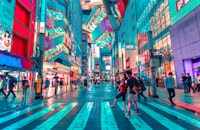
This is a city of profound contrasts and sensory immersion. The scent of jasmine incense from a spirit house mingles with charcoal smoke from a grilled pork skewer vendor. The shimmering gold of the Grand Palace's spires competes with the neon glow of Soi Cowboy's signs. To experience Bangkok is to embrace this beautiful chaos, whether you're haggling for silk at Pak Khlong Talat flower market, getting lost in the labyrinth of Chatuchak Weekend Market's 15,000 stalls, or finding momentary peace in the shadow of the colossal reclining Buddha at Wat Pho.
Why Visit Bangkok?
A Culinary Pilgrimage: Bangkok is arguably the world's greatest street food city. Go beyond Pad Thai and seek out dishes like fiery 'Tom Yum Goong' (spicy shrimp soup) at Jay Fai (a street food Michelin star), rich 'Khao Soi' (curried noodle soup) in Chinatown's Yaowarat Road, or the perfect 'Moo Ping' (grilled pork skewers) from a sidewalk vendor.
Architectural Grandeur & Spiritual Depth: Witness the breathtaking scale of Thai Buddhist architecture. Marvel at the iridescent porcelain mosaics of Wat Arun at sunset, be humbled by the 46-meter-long Reclining Buddha at Wat Pho, and explore the sacred grounds of the Grand Palace, home to the revered Emerald Buddha.
The Thrill of the Hunt: From the legendary Chatuchak Weekend Market to the nocturnal Talad Rot Fai Srinakarin train market, shopping is an adventure. Hunt for vintage Levi's, hand-woven Isaan textiles, quirky designer homewares, and counterfeit everything, all while snacking on coconut ice cream.
Vibrant, Diverse Neighborhoods: Each district has its own personality. Explore the historic canals and royal temples of Rattanakosin, the backpacker energy and cheap beers of Khao San Road, the luxury malls and sleek cafes of Siam, or the trendy, gallery-filled streets of Thonglor and Ekkamai.
World-Class Nightlife & Rooftop Bars: The city truly comes alive after dark. Sip cocktails with panoramic views from legendary rooftops like Sky Bar at Lebua (from 'The Hangover Part II') or Octave Rooftop Lounge. Dive into the neon-lit nightlife of Sukhumvit's sois, enjoy live music at Saxophone Pub, or experience a cabaret show at Calypso.
Affordable Luxury & Wellness: Indulge in treatments that would cost five times more elsewhere. Get a traditional Thai massage at the famous Wat Pho massage school, enjoy a luxurious spa day at the Banyan Tree, or simply get a 300-baht foot massage on every corner after a long day of exploring.
Bangkok is Known For
Ready to explore Bangkok?
Bangkok Neighborhoods
Rattanakosin (Old City)
The historic heart of Bangkok, home to the Grand Palace and the city's most sacred temples. The vibe here is traditional and reverent, with narrow lanes, ancient canals ('khlongs'), and a slower pace amidst the major tourist sites.
Highlights:
Best for:
Sukhumvit
A long, modern artery of the city, epitomizing Bangkok's cosmopolitan side. It's a mix of upscale hotels, international restaurants, bustling street food soi (side streets), and vibrant nightlife, centered around the BTS Skytrain line.
Highlights:
Best for:
Thonburi (Across the River)
Located on the west bank of the Chao Phraya, Thonburi feels like a different, older Bangkok. It's less developed, with a network of canals, wooden stilt houses, and a more local, residential atmosphere. Perfect for a long-tail boat canal tour.
Highlights:
Best for:
Ari / Phahonyothin
A trendy, up-and-coming residential neighborhood popular with young Thais and expats. It's characterized by tree-lined streets, independent cafes, boutique shops, and a fantastic, more local food scene away from the tourist hubs.
Highlights:
Best for:
Top Attractions
Local Tips & Insider Knowledge
- •Dress respectfully for temples: Cover shoulders and knees. Many temples (like the Grand Palace) rent sarongs if needed, but it's better to bring your own.
- •Use the BTS Skytrain and MRT Subway: They're air-conditioned, efficient, and avoid the infamous traffic. Get a Rabbit Card (BTS) for convenience.
- •Download the 'Grab' app: It's the Southeast Asian equivalent of Uber for cars, bikes, and even food delivery. It fixes prices, avoiding taxi meter 'issues'.
- •Don't drink the tap water: Always buy bottled water. Ice in restaurants is usually from purified water and is safe (it has holes in the middle).
- •Eat where the locals eat: The busiest stall with the shortest queue is often the best. Look for places with plastic chairs and a Thai-language-only menu.
- •Bargain at markets, not in malls: Start at 50-60% of the asking price and negotiate with a smile. It's expected at places like Chatuchak, but not in fixed-price stores.
- •Take a river ferry: The Chao Phraya Express Boat is a cheap, scenic, and practical way to get between points like Sathorn (Central Pier), Tha Tien (for Wat Pho), and Asiatique.
- •Carry small bills (20, 50, 100 baht notes): Many street vendors and tuk-tuks won't have change for 1000-baht notes.
- •Visit major temples early: Arrive right at opening (often 8:30 AM) to beat the tour groups and the intense midday heat.
- •Learn a few Thai phrases: A simple 'Sawasdee ka/krap' (hello) and 'Khop khun ka/krap' (thank you) goes a very long way and is appreciated.
Bangkok Food Scene
Bangkok's food culture is democratic and obsessive, where a 3-Michelin-starred chef and a construction worker might queue at the same noodle cart. It's a city built on street food, where complex flavors—sweet, sour, salty, spicy, bitter—are balanced in every dish, and eating is a round-the-clock activity.
Must-Try Dishes
Street Food Classics
- • Jay Fai for Crab Omelette & Drunken Noodles
- • Thip Samai for Pad Thai
- • Raan Jay Fai (not the famous one) for Boat Noodles
- • Any vendor with a queue for Moo Ping & Sticky Rice
Look for places with a high turnover of ingredients and locals eating there. Don't be afraid of plastic stools.
Chinatown (Yaowarat) Feast
- • T&K Seafood (or its rivals) for grilled prawns & seafood
- • Nai Ek Roll Noodle for crispy pork & noodles
- • Street-side bird's nest and shark fin soup vendors
- • Chinese-style mango sticky rice from a cart
Go hungry at night when the street transforms into one giant open-air restaurant. It's chaotic and wonderful.
Local & Regional Specialties
- • Somsak Pu Ob for claypot crab vermicelli
- • Khao Gaeng Jake Puey (curry over rice) for a quick, authentic lunch
- • Kway Chap Mr. Joe (rolled noodles & pork offal stew)
- • Isaan food (spicy NE Thai) at Som Tam Jay So
Venture into residential areas like Ari or Phra Khanong for amazing local eateries less frequented by tourists.
Fine Dining & Modern Thai
- • Le Du (progressive Thai, Michelin stars)
- • Sorn (Southern Thai cuisine, extremely hard to book)
- • Gaggan Anand (progressive Indian, an experience)
- • 80/20 (innovative Thai using local ingredients)
Book months in advance for the top-tier places. Consider lunch sittings for better availability and value.
Popular With
Best Time to Visit Bangkok
Spring
March to May is the hot season. Temperatures soar, often above 35°C (95°F), with intense humidity and blazing sun. This is the peak of summer heat.
Pros:
- + Long daylight hours
- + Fewer tourists than winter peak
- + Good hotel deals possible
- + Songkran (Thai New Year) festival in mid-April is a massive, fun water fight
Cons:
- - Extremely hot and humid
- - High UV index
- - Can be uncomfortable for extensive outdoor sightseeing
- - Air quality can be poor
Summer
June to October is the rainy (monsoon) season. Expect short, heavy downpours most days, usually in the afternoon or evening, with high humidity. Temperatures are slightly cooler but still warm.
Pros:
- + Lush, green scenery
- + Fewer crowds
- + Lowest hotel prices of the year
- + Rain often provides relief from the heat
Cons:
- - Daily rain can disrupt outdoor plans
- - High humidity
- - Potential for flooding in some areas
- - Some islands/beaches may have rough seas
Autumn
November is a transitional month from rainy to cool season. The rains taper off, humidity drops, and the weather becomes much more pleasant.
Pros:
- + Improving weather daily
- + Beginning of the tourist season but less crowded than Dec/Jan
- + Good visibility and sunsets
- + Loy Krathong festival (usually November) with floating lanterns
Cons:
- - Can still have occasional rain showers
- - Prices start to rise towards December
- - Popular festivals mean more domestic travel
Winter
December to February is the cool, dry season. This is Bangkok's 'winter,' with lower humidity, cooler evenings (can dip to 20°C/68°F), and minimal rain. It's the most comfortable time for exploration.
Pros:
- + The most pleasant weather for sightseeing
- + Blue skies and sunshine
- + Ideal for rooftop bars and outdoor dining
- + Peak for festivals and events
Cons:
- - Peak tourist season: crowded everywhere
- - Highest hotel and flight prices
- - Need to book everything far in advance
- - Air pollution can sometimes build up
Find cheap transport to Bangkok
Compare prices for trains, buses, and flights to Bangkok
Enter your departure city to see prices

Book Activities in Bangkok
Skip the line with pre-booked tours and attractions
Day Trips from Bangkok
Ayutthaya
1.5 hours by train or minivan
The ancient capital of Siam, a UNESCO World Heritage site filled with the majestic ruins of temples and palaces destroyed by the Burmese in 1767. It offers a profound glimpse into Thailand's glorious past.
Damnoen Saduak Floating Market
1.5 - 2 hours by car or tour van
The most famous and touristy of Thailand's floating markets, but still a vibrant spectacle. Hundreds of vendors sell fruits, souvenirs, and cooked food from their boats on the canals.
Kanchanaburi
2-3 hours by train (scenic route) or minivan
A province of historical significance and natural beauty, known for the Bridge over the River Kwai and the tragic Death Railway built by WWII POWs, set amidst mountains and rivers.
Bangkok Budget Guide
Bangkok is famously affordable for travelers, offering incredible value across all budget levels. Street food and public transport keep costs low, while luxury is available at a fraction of Western prices.
Budget
€25-40 / $30-45 for backpackers (hostel, street food, public transport, free sights)
per day
Mid-Range
€70-120 / $80-135 for comfort (3-4 star hotel, mix of street food & sit-down meals, taxis, paid attractions)
per day
Luxury
€200+ / $225+ for luxury (5-star hotels, fine dining, private tours, premium experiences)
per day
Money-Saving Tips
- •Street food meals cost 50-150 baht (€1.30-4).
- •A 1-hour Thai massage costs 250-400 baht (€6.50-10.50) on the street.
- •BTS/MRT single trips range from 17-62 baht.
- •Tuk-tuks are often more expensive than metered taxis; agree on a price first.
- •Many temples have entry fees of 100-500 baht; dress codes are strictly enforced.
Bangkok Hidden Gems
The Artist's House (Baan Silapin)
A 200-year-old wooden house on a quiet canal in Thonburi, functioning as an art gallery, cafe, and traditional puppet theater.
It offers an authentic glimpse of old Bangkok canal life away from the crowds. The free puppet shows (at 2 PM on Wed-Sun) are a magical, traditional art form rarely seen by tourists.
Siriraj Medical Museum (Museum of Death)
A series of medical museums within Siriraj Hospital, featuring forensic pathology exhibits, including the preserved body of a famous serial killer.
It's macabre, fascinating, and utterly unique. Not for the faint of heart, it provides a starkly different perspective on Thai culture and history.
Warehouse 30
A creative complex in the Charoenkrung district, set in renovated WWII-era warehouses, housing art galleries, design shops, cafes, and studios.
It's a hub for Bangkok's contemporary creative scene in a historic, industrial setting, offering a cool, local vibe far from the shopping malls.
Bang Krachao ('Bangkok's Green Lung')
A vast, semi-wild peninsula of mangrove forests, parks, and cycling paths in the curve of the Chao Phraya River, accessed by a short boat ride.
It feels like a different country. Rent a bicycle and explore elevated pathways through jungle, visit Sri Nakhon Khuean Khan Park, and escape the city's concrete and noise completely.
Talad Noi & Soi Nana (Chinatown)
A historic, photogenic enclave within Chinatown, full of narrow alleys, vintage car repair shops, street art, and hip cafes hidden among old shophouses.
It's a rapidly gentrifying area where old-meets-new in the most photogenic way. Discover cool cafes like Mother Roaster and stunning street art amidst gritty, authentic Chinatown life.
Bangkok Culture & Customs
Thai culture is deeply influenced by Theravada Buddhism, which emphasizes respect, non-confrontation ('mai pen rai' - never mind), and saving face. The monarchy is revered. You'll see this in the daily rituals, the 'wai' greeting, and the overall gentle, smiling demeanor ('Land of Smiles') that defines social interactions.
Cultural Etiquette
- •Never touch someone's head (sacred) or point your feet at people or Buddha images (feet are lowliest).
- •Show respect to images of the Buddha and the King. Do not climb on Buddha statues or disrespect royal portraits.
- •The 'wai' (palms-together greeting) is returned to those who offer it, but it's not typically initiated by tourists to locals.
- •Dress modestly, especially in temples and the Grand Palace. Remove shoes before entering temple buildings and private homes.
- •Public displays of anger or loud confrontation are major faux pas and cause loss of face for all involved.
Useful Phrases
Frequently Asked Questions about Bangkok
Is Bangkok safe for tourists?
Bangkok is generally very safe for tourists. Violent crime is rare. The main risks are petty theft (keep bags secure in crowds), taxi/tuk-tuk scams, and traffic accidents (be very careful when crossing roads). Use common sense as you would in any major city.
Do I need a visa for Thailand?
Citizens of many countries (including US, UK, EU, Australia, Canada) receive a 30-day visa exemption upon arrival by air. If arriving by land, it's 15 days. Always check the latest requirements with the Thai embassy before travel, as rules can change.
What's the best way to get around Bangkok?
The BTS Skytrain and MRT Subway are the most efficient for beating traffic. Use taxis with the meter on for longer trips or groups. Tuk-tuks are fun for short hops (agree on price first). River ferries are scenic for riverside destinations. Walking is best within specific neighborhoods.
Is the street food safe to eat?
Yes, generally very safe. Look for busy stalls with high turnover, where food is cooked fresh in front of you. Avoid pre-cut fruit sitting in the sun. Ice in drinks is usually made from purified water and is safe. Trust your instincts—if a place looks clean and popular with locals, it's a good bet.
How should I dress for visiting temples?
Modestly. Shoulders and knees must be covered for both men and women. This means no tank tops, sleeveless shirts, short shorts, or short skirts. Light, loose-fitting pants and a t-shirt are perfect. Many temples sell or rent sarongs if you're not dressed appropriately.
Can I use credit cards everywhere?
No. Major hotels, department stores, and high-end restaurants accept cards. However, street food vendors, local markets, small shops, and taxis are almost exclusively cash-only. Always carry sufficient Thai Baht in small denominations.
What is the tipping culture in Bangkok?
Tipping is not traditionally expected but is becoming more common, especially in tourist areas. It's appreciated for good service. Round up taxi fares, leave 20-100 baht for massage therapists, and 10% in nicer restaurants if a service charge isn't already included on the bill.
What's the deal with tuk-tuks? Are they a scam?
Tuk-tuks are a fun cultural experience, but be savvy. They are often more expensive than metered taxis. Common scams include drivers offering a very cheap ride, then taking you to gem shops or tailors for commission. Always agree on a firm price for your exact destination before getting in, or simply use them for a short, fixed-route joyride.
Bangkok Itineraries
Travel Guides


Compare with Other Cities
Plan your Bangkok adventure
Let AI create the perfect itinerary for your trip to Bangkok. Just describe what you want to experience.
Plan Bangkok trip